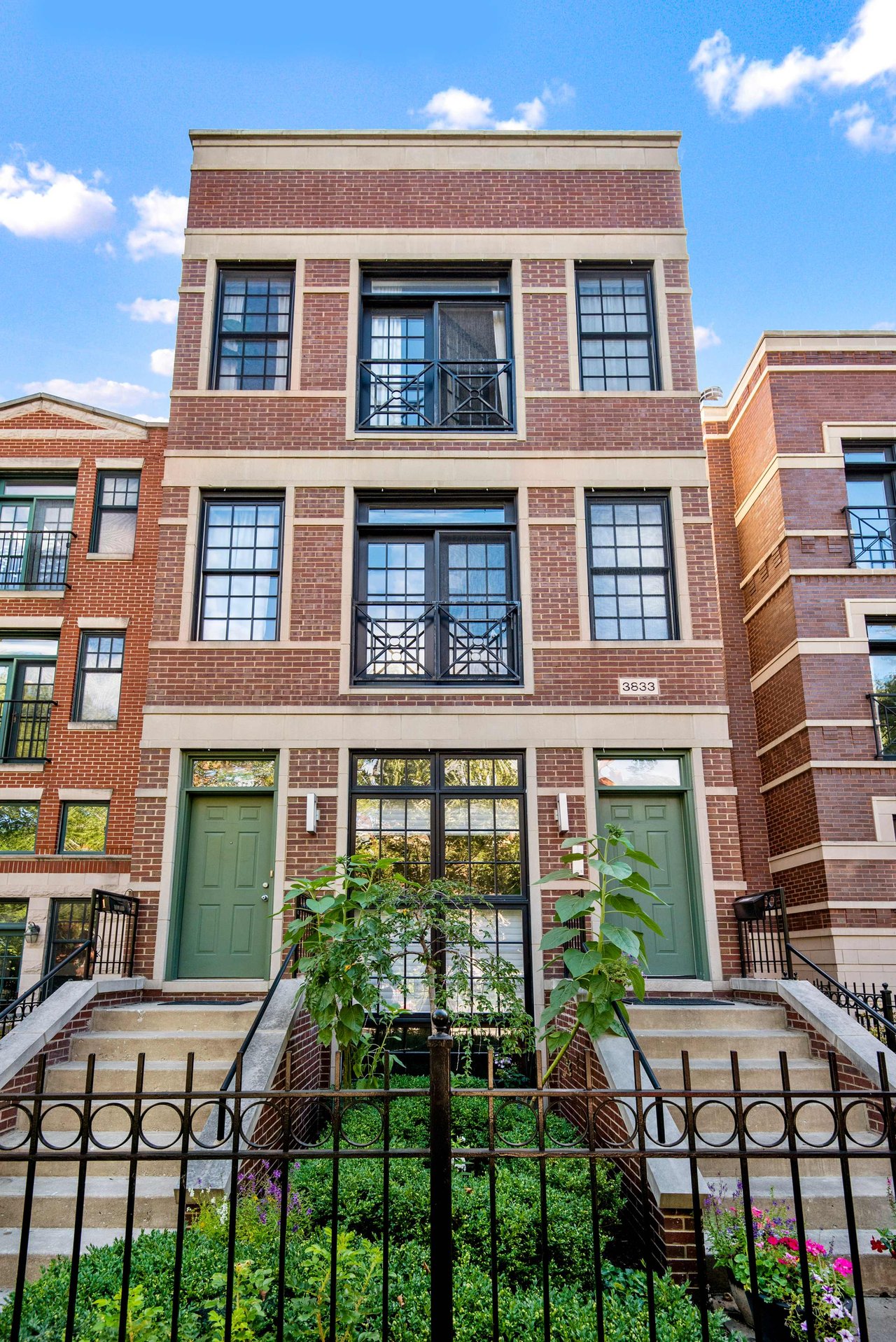
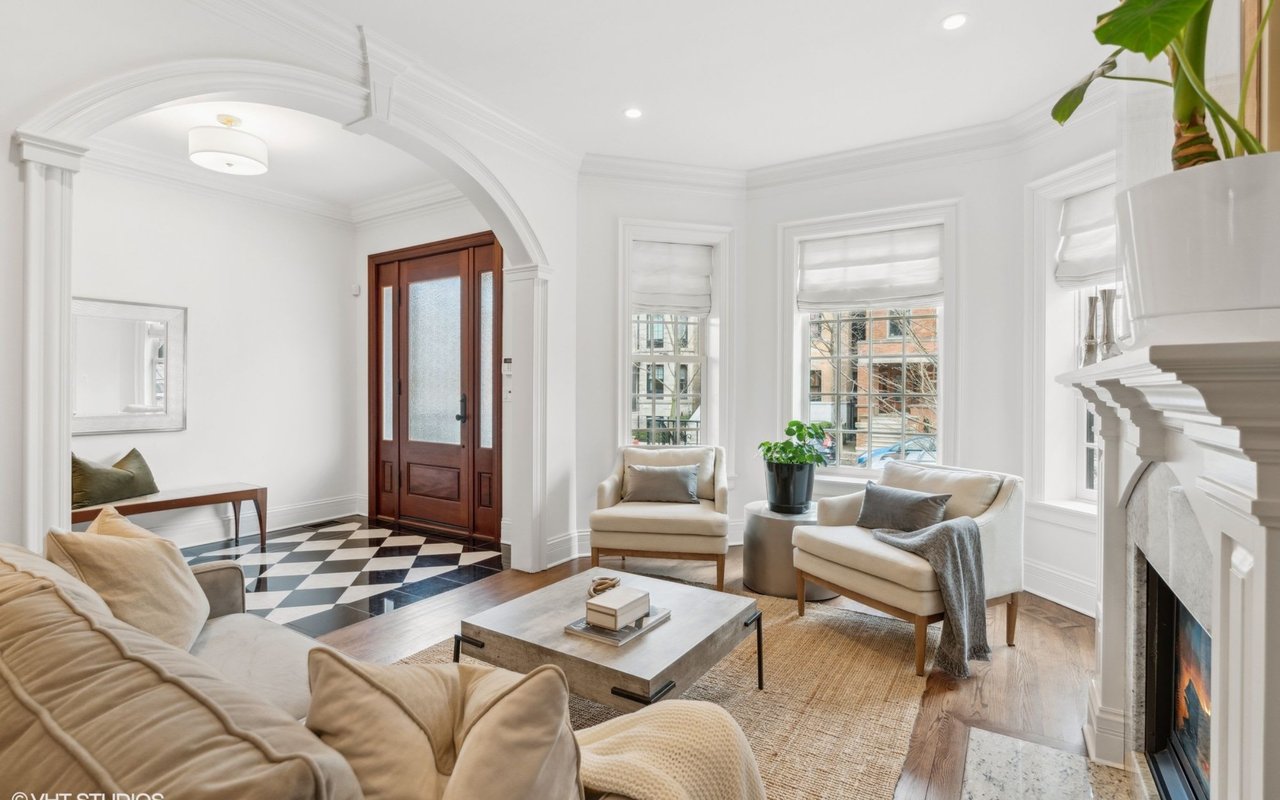
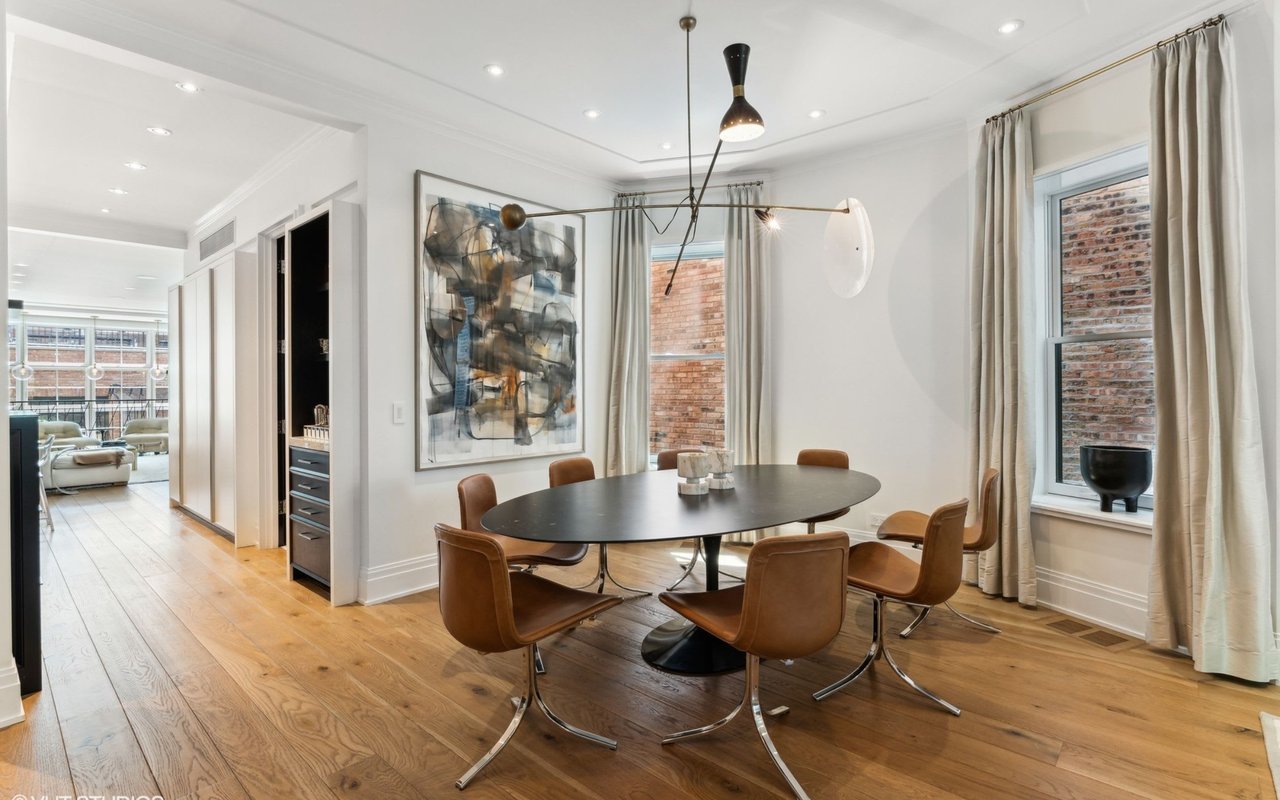
Trading a yard for skyline views can feel exciting and a little daunting. You want the walkability, services, and culture of Chicago without giving up comfort or privacy. With the right plan, you can downsize with confidence into a luxury condo, penthouse, or rowhome that fits your life now. This guide gives you a clear path from suburban home to city address, including layouts, amenities, parking, building due diligence, and a realistic moving plan. Let’s dive in.
Chicago market snapshot you should know
Citywide pricing sits higher than many expect, but medians vary widely by neighborhood and building. In recent reporting, the City of Chicago’s median sales price was in the high $300Ks to $400K range as of mid‑2025, with downtown and near‑north condo medians materially higher. You should rely on a neighborhood‑level CMA for any specific search. See the Chicago Association of REALTORS market snapshot for context.
Luxury activity is selective. New high‑end developments and established full‑service buildings in the West Loop, River North, and Gold Coast continue to attract buyers, but finishes, services, and wellness features often decide who wins. Recent coverage of West Loop luxury inventory highlights how lifestyle and amenity sets can tilt interest toward certain buildings and locations. For a flavor of that trend, see this Axios look at luxury condo momentum in West Loop.
Bottom line: think in micro‑markets. “Moving to the city” is not a single price band. It is a set of lifestyle choices, building services, and block‑by‑block values.
Space and layout trade-offs that work
Most affluent downsizers trade raw square footage for higher design quality, walkability, and services. The goal is to right‑size without feeling cramped.
- Keep one true guest room and add a flex den or office if you host occasionally.
- Favor open kitchens with island seating over a large formal dining room.
- Prioritize a layout that separates the primary suite from the guest area for privacy.
Storage is solvable with planning. Many downtown buildings offer private storage lockers for a fee. Off‑site climate‑controlled storage is common for seasonal gear, art crates, and heirlooms. Ask about in‑building storage availability during your first round of building due diligence.
Amenities that make city living effortless
High‑end buyers often move the needle with a few core features. Consider these your must‑have checklist:
- Secure doorman or concierge services
- Well‑equipped fitness center and a residents’ lounge or reservable event room
- Rooftop terrace or landscaped deck
- Private outdoor space such as a balcony or terrace
- Covered or deeded garage parking, or a reliable building valet
- Package and receiving rooms with safe storage
Wellness and turnkey finishes are strong priorities for this tier. Look for fresh common areas, modern mechanicals, and a history of proactive building updates in the minutes.
Parking and car strategy for city life
If you are coming from Naperville or Arlington Heights, your car plan is central to comfort and cost.
- Deeded parking: A deeded stall is owned with your unit or as a separate parcel. It offers certainty and resale appeal, with a one‑time premium that varies by building and block.
- Leased or assigned parking: Many central garages offer monthly subscriptions. Typical downtown listings range roughly from about $135 to $400+ per month depending on location and service. You can check sample rates on SpotHero’s monthly Chicago parking page.
- Valet: Some full‑service buildings provide on‑site valet for residents and guests. Expect higher monthly assessments when more services are bundled.
Plan early for EV charging. Illinois law and City of Chicago rules have moved toward EV‑capable or EV‑ready wiring in many new or substantially altered multifamily buildings. Condominium associations also cannot unreasonably prohibit owner‑installed chargers in many cases. If overnight charging matters to you, ask about existing conduit, the building’s electrical capacity, and any association policy on EV installations. You can review the state law context via the Illinois Electric Vehicle Charging Act materials.
Commute realities from Naperville and Arlington Heights
If you still commute or travel frequently, pair your neighborhood short list with transit.
- Naperville to downtown: The BNSF line runs to Union Station with frequent peak service. Explore the Naperville station page on Metra to map frequency and platform details.
- Arlington Heights to downtown: The UP‑NW line goes to Ogilvie Transportation Center with direct service.
When you tour buildings, time the door‑to‑platform walk and ask about station parking permits or ride‑share pickup zones near your preferred entrance. Many suburban sellers find that a reliable train commute plus a city‑center address more than replaces the value of extra square feet.
Match your lifestyle to the right neighborhood
Use your daily rhythm to shape your search. Here are common profiles and where they often find a great fit:
- The single downsizer who wants concierge ease plus one guest suite: Consider Gold Coast for full‑service towers near Oak Street and the lake, or Streeterville for strong lakefront access and comprehensive amenity stacks.
- The couple keeping one car and an EV: West Loop or Fulton Market offers modern buildings with newer mechanicals and amenity decks that often plan for EV readiness. River North adds loft conversions and towers close to dining and galleries.
- The host who loves weekend visits: Lincoln Park blends boutique buildings, quiet streets, and strong parks. South Loop places you near the museum campus with newer‑development options and guest‑friendly layouts.
Each of these areas shows pricing that differs from the citywide median. Use a neighborhood CMA and building‑specific comps for clarity before you set a budget ceiling.
Association money and governance: what to check
Your HOA is the engine behind your daily experience and your long‑term costs. Underwrite it like an investor.
- Resale packet: For every resale, request the official packet. It should include bylaws, declaration, rules, current budget, reserve status, insurance summary, meeting minutes, and any notices of capital projects or litigation. Learn what to expect from a resale package through this HOA resale packet overview.
- Reserves and special assessments: Associations must budget reasonable reserves. Legislative activity in 2025 aimed to require periodic reserve studies for many associations. Track the status and ask for the most recent study or an updated capital plan. Get background on the proposals from Illinois HOA law commentary.
- Operating health: Review income and expense trends, delinquency rates, master insurance deductibles, and vendor contracts. Meeting minutes for the past 6 to 12 months can reveal maintenance priorities, vendor changes, and board stability.
Monthly assessments vary by building and by what they include. You will see a wide spread, from several hundred dollars in smaller buildings to four figures in full‑service towers where many utilities and services are bundled. Always model true monthly costs using building P&Ls and a current assessment letter.
Budgeting for ownership and closing costs
Beyond the purchase price, plan for the following:
- Monthly costs: HOA assessment, parking (if leased), utilities not covered by the HOA, storage locker fees, and internet.
- One‑time or periodic costs: Move‑in and elevator reservation fees, contribution to association reserves where applicable, and any capital project assessments disclosed in the minutes.
- Title and transfer: The City of Chicago and Cook County have transfer and recording taxes. Ask your attorney or title provider for an early itemized estimate so you can compare net proceeds from your suburban sale to your downtown purchase.
If you are selling a primary residence in the suburbs, confirm whether you qualify for the federal home‑sale exclusion. Start with IRS Publication 523 for the 2‑of‑5‑year rule and exclusion limits, then coordinate with your tax advisor.
A simple plan for right‑sizing your life
Start 3 to 6 months before you list your suburban home.
- Inventory room by room. Decide what moves, what stores, and what you will sell or gift. Many clients keep high‑value seasonal or heirloom items in climate‑controlled storage for a year.
- Book the right partners. Hire a professional organizer and a luxury mover with downtown condo experience. They will handle elevator reservations, building insurance requirements, and move‑in windows.
- Tour with intention. When you view city units, focus on how you live: where you work, how you host, and how you recharge. Look for staged vignettes that show expandable dining, a multi‑function den, and smart guest solutions.
- Pressure test operations. Ask how snow and ice are managed for garage ramps, if there is guest parking, and how packages are handled during peak holiday seasons. These details drive post‑closing satisfaction.
Quick start checklist for buyers
Use this to align your search on day one:
- Bedrooms and baths: What is your minimum vs. your ideal? Would a den work for occasional guests?
- Parking plan: Is deeded parking required or is leased or valet acceptable? If leasing, estimate monthly cost using sources like SpotHero’s monthly listings.
- Non‑negotiable amenities: Doorman, gym, pool, EV capability, guest suites, storage, or pet policies.
- Reserves and assessments: What is the current reserve balance and the date of the most recent reserve study? Any pending special assessments or major repairs? See current legislative context on studies at this Illinois HOA law update.
- Governance and minutes: Review 6 to 12 months of meeting minutes and ask about any litigation, vendor changes, or board turnover.
You have options. Let’s tailor them to you.
If you are ready to trade yard work for skyline views, you deserve a calm, private process that respects your goals and your time. As a founder‑led boutique, we pair deep neighborhood knowledge with concierge support so you can right‑size without compromise. For a confidential plan and neighborhood short list tailored to you, connect with Joy Residential.
FAQs
What should I know about Chicago condo prices when downsizing from the suburbs?
- Citywide medians sat in the high $300Ks to $400K range as of mid‑2025, but downtown and near‑north buildings often price higher. Use a neighborhood CMA to set a realistic budget and compare buildings block by block. See the Chicago Association of REALTORS snapshot for context.
How does deeded parking work in Chicago luxury buildings?
- A deeded stall is real property you own with the unit or as a separate parcel. It offers certainty and resale value, while leased or valet options trade lower upfront cost for ongoing monthly fees. Ask about transfer rules, guest parking, and EV readiness in the building.
Can I install an EV charger in a Chicago condo garage?
- Many new or substantially updated buildings are EV‑capable or EV‑ready, and associations generally cannot unreasonably block owner‑installed chargers. Confirm existing conduit, electrical capacity, and the HOA’s written EV policy early. Review the Illinois Electric Vehicle Charging Act materials for the legal backdrop.
Which documents should I review before making an offer on a Chicago condo?
- Request the full resale packet with bylaws, rules, budget, reserve balance, insurance summary, and 6 to 12 months of meeting minutes. Look for capital plans, any litigation, special assessments, and management contracts. See a helpful overview of a typical HOA resale package.
What taxes should I plan for when selling my suburban home and buying in the city?
- Confirm City of Chicago and Cook County transfer and recording taxes on the purchase, and consult your attorney for a closing estimate. For your suburban sale, check whether you qualify for the federal home‑sale exclusion using IRS Publication 523, then verify with your tax advisor.