-
Home
Home
-
List or Buy with Joy Residential
List or Buy with Joy Residential
-
Testimonials
Testimonials
-
Contact Us
Contact Us
-
My Search Portal
My Search Portal
Home
List or Buy with Joy Residential
Testimonials
Contact Us

My Search Portal
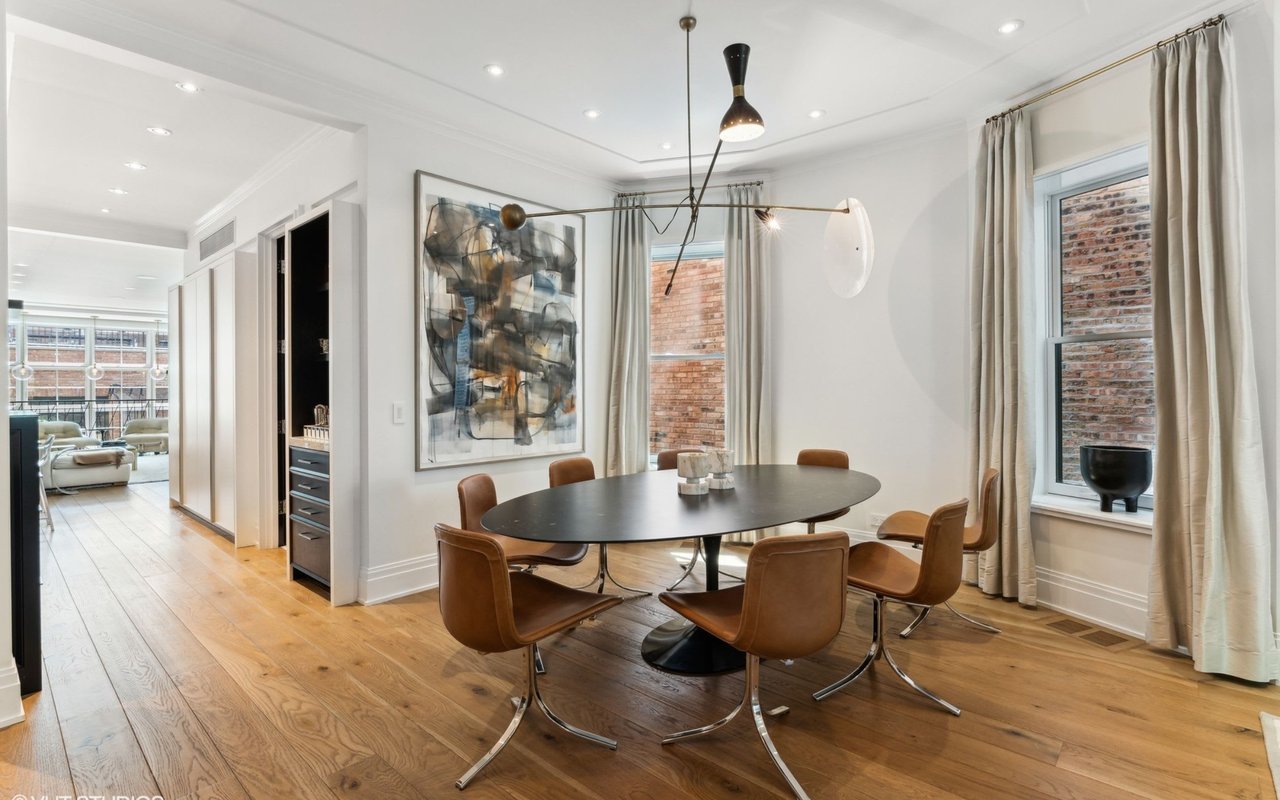
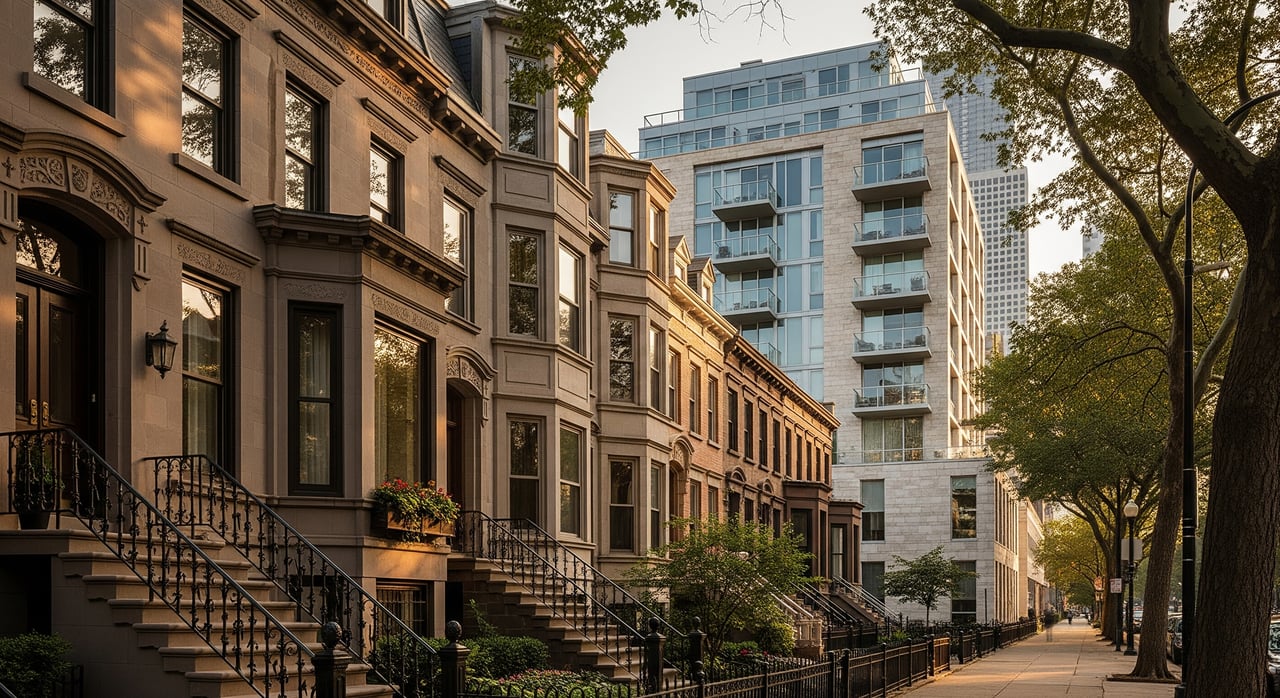
Should you buy a condo or a townhome in Lincoln Park? If you are weighing space, maintenance, and long-term value, the differences can feel subtle yet important. You want the right lifestyle fit with smart financial decisions. In this guide, you will learn how condos and townhomes differ in ownership, costs, financing, and resale in Lincoln Park so you can choose with confidence. Let’s dive in.
Condos in Illinois give you ownership of your unit’s interior plus a shared interest in the building’s common elements. A condominium association manages the building and grounds, funded by monthly assessments. Rules, budgets, and reserves guide how the property is maintained.
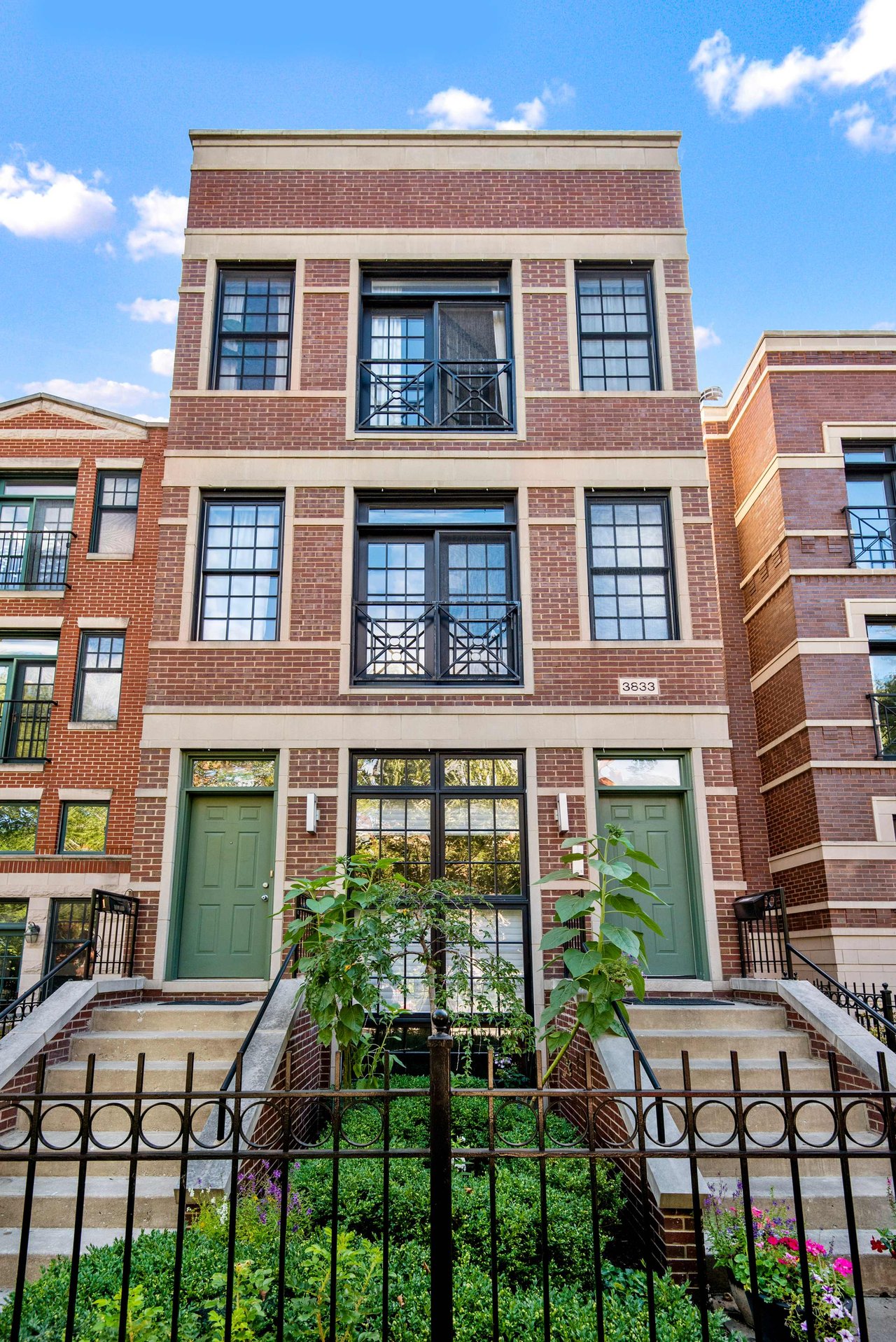
Townhomes are attached, multi-level homes. Many in Lincoln Park are fee simple, which means you own the structure and the land beneath it. Some townhomes are part of a homeowners association that maintains shared elements like private drives or landscaping. The exact legal form matters, so confirm whether a townhome is fee simple or part of a common-interest community.
In practice, this changes your responsibilities. With a condo, the association usually controls and maintains the exterior and common systems. With a fee-simple townhome, you may handle your roof, exterior, and yard unless an HOA covers them. Your insurance type also differs: condo owners typically carry an HO-6 policy for interiors and personal property, while many townhome owners need an HO-3 policy that covers the full structure.
Both condos and townhomes use governing documents that shape your ownership experience. Ask for and review:
These documents reveal financial health, rule enforcement, and upcoming projects. Strong reserves and clear maintenance plans lower the risk of surprise assessments. Rental policies and owner-occupancy levels can influence financing options and future resale.
Lincoln Park is a high-demand urban neighborhood with a large share of condos and a more limited supply of townhomes. Townhomes often trade at a premium due to scarcity, private entries, and outdoor or garage space. Condos tend to offer more options across price points, with easier, lower-maintenance living. Exact pricing shifts with inventory and market cycles, so ask your agent to pull current comparable sales from the MLS for precise figures.
Monthly assessments also vary. Condo fees are often higher because the association covers building insurance, exterior maintenance, and amenities. Townhome HOA fees can be lower if owners handle more maintenance individually. Always verify what the assessments include, such as water, gas, cable, snow removal, parking, and landscaping.
For taxes, both condos and townhomes are assessed by Cook County. A fee-simple townhome may be assessed differently than a condo unit because you own the land and structure. Review the assessor’s records and recent tax bills for any property you are considering, and confirm available exemptions.
Financing can differ by property type. Condos often require project-level review for many loan programs. Lenders may evaluate owner-occupancy rates, budget strength, delinquencies, and litigation. Non-warrantable condos can be harder to finance. Fee-simple townhomes are commonly treated like single-family homes and usually involve fewer project-level hurdles. High monthly assessments affect debt-to-income ratios, so discuss the numbers with your lender early.
If a condo association has underfunded reserves, major projects like roof or façade repairs may require special assessments. Review the reserve study, minutes, and capital plans to anticipate upcoming costs. For townhomes in an HOA, the association may levy assessments for shared elements, but you might still be responsible for your own roof or exterior. Confirm who covers what.
Insurance is another key difference. A condo’s master policy covers common elements and sometimes part of the building structure. Your HO-6 policy typically covers interior finishes and personal property. A townhome owner usually needs full dwelling coverage through an HO-3 or HO-5 policy. Ask for the association’s insurance certificates, coverage levels, and deductibles, since higher deductibles can shift costs to you after a claim.
Space and privacy often drive the decision. Townhomes frequently provide multi-level living, private entries, and attached garages or yards. This can be appealing if you want more separation of spaces or plan to entertain outdoors. Condos offer convenience, building services, and sometimes amenities, with less time spent on maintenance.
Parking is a premium across Lincoln Park. Many townhomes include private garages. Condos might offer deeded or assigned parking, sometimes sold separately. Always confirm what parking is included and whether there are additional fees.
Sound and building systems vary by age and construction. Older walk-up condos may have thinner party walls, while attached townhomes still share walls with neighbors. If you plan to remodel exteriors or add features, remember many parts of Lincoln Park sit under historic preservation rules. Exterior changes can require permits and approvals, so check before you plan improvements.
Condos usually have a broader pool of buyers and more inventory, which may support liquidity across price points. Townhomes, while less common, can command higher prices when demand aligns with limited supply, especially if they offer private outdoor space or garages.
Marketability in Lincoln Park often hinges on several features:
These factors influence buyer interest and appraisal support, which matter when you plan to sell.
Use this quick list as you compare properties:
If you face complex legal questions or unique title issues, consider consulting a real estate attorney.
If you want low-maintenance living with amenities and predictable exterior upkeep, a condo can be a strong match. If you prefer multi-level space, private entry, and possibly a garage or yard, a townhome may feel right. Your budget, tolerance for maintenance, and financing plan will guide the decision.
Pair your lifestyle goals with current, local data. Ask your agent to provide recent comparable sales, typical assessment ranges by property type, and insights on owner-occupancy and rental rules in targeted buildings or communities. A clear, side-by-side comparison will help you select the best long-term fit.
Ready to compare specific Lincoln Park options and understand true costs over time? Let’s talk about your goals, timing, and financing path. For discreet, concierge-level guidance, connect with Joy Residential.
Browse active listings in the area or contact us for off-market listings.
Have an expert help you find out what your home is really worth.