-
Home
Home
-
List or Buy with Joy Residential
List or Buy with Joy Residential
-
Testimonials
Testimonials
-
Contact Us
Contact Us
-
My Search Portal
My Search Portal
Home
List or Buy with Joy Residential
Testimonials
Contact Us

My Search Portal
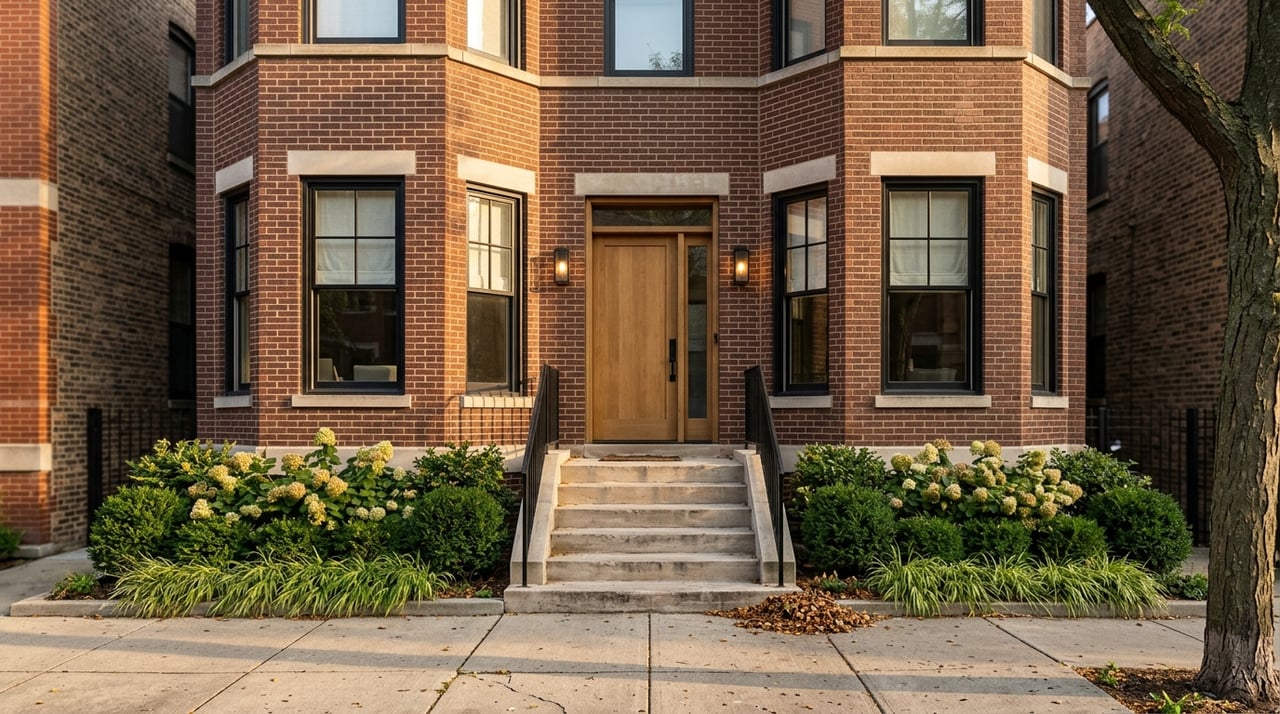
Looking for a Chicago neighborhood that feels polished but not overdone, lively but still easy to settle into? Roscoe Village stands out for exactly that balance. If you want a place with local shops, vintage housing, neighborhood parks, and a steady rhythm of community events, this pocket of North Side Chicago offers a lot to like. Here’s a closer look at what gives Roscoe Village its relaxed boutique neighborhood feel and why that matters when you’re thinking about buying or selling here.
Roscoe Village is generally defined as the area between Addison Street and Belmont Avenue, from Ravenswood Avenue on the east to the Chicago River on the west. That footprint helps explain why the neighborhood often feels compact and easy to understand. It reads more like a distinct village within the city than a broad, anonymous section of Chicago.
That identity is not just about geography. Local neighborhood organization Roscoe Village Neighbors describes a community centered on cooperation, goodwill, and the features that make the area unique. In practical terms, you feel that in the neighborhood’s small-scale retail streets, residential blocks, and recurring local traditions.
One of the clearest reasons Roscoe Village feels boutique is its pedestrian-oriented scale. Instead of towers or big-box retail, much of the area is shaped by low-rise residential streets and local storefronts. That creates an experience built around sidewalks, porches, corner businesses, and short walks.
Roscoe Village Neighbors has also emphasized preserving quality materials, a diverse housing mix, and pedestrian-friendly character along key corridors. Roscoe Street between Damen and Leavitt is a designated pedestrian street, and the overlay district supports a low-density, multi-use environment. For you as a buyer or seller, that kind of planning matters because it helps protect the intimate feel people are drawn to in the first place.
Roscoe Street is central to the neighborhood’s identity. It is where the area’s independent shops, cafes, and neighborhood-serving businesses create a true main street atmosphere. In warm weather, that energy becomes even more visible as cafes and restaurants spill toward the sidewalk.
Current local business listings and neighborhood guides point to a mix of dining, retail, and service businesses that give the area personality without making it feel overly commercial. Examples include Volo Restaurant Wine Bar, Kitsch’n on Roscoe, The Last Chapter Book Shop, Roscoe Village Bikes, Village Tap, Cinnamon Boutique, Maison Pasquale, and The Region Handcrafted Burgers. The result is a shopping and dining scene that feels curated and local rather than generic.
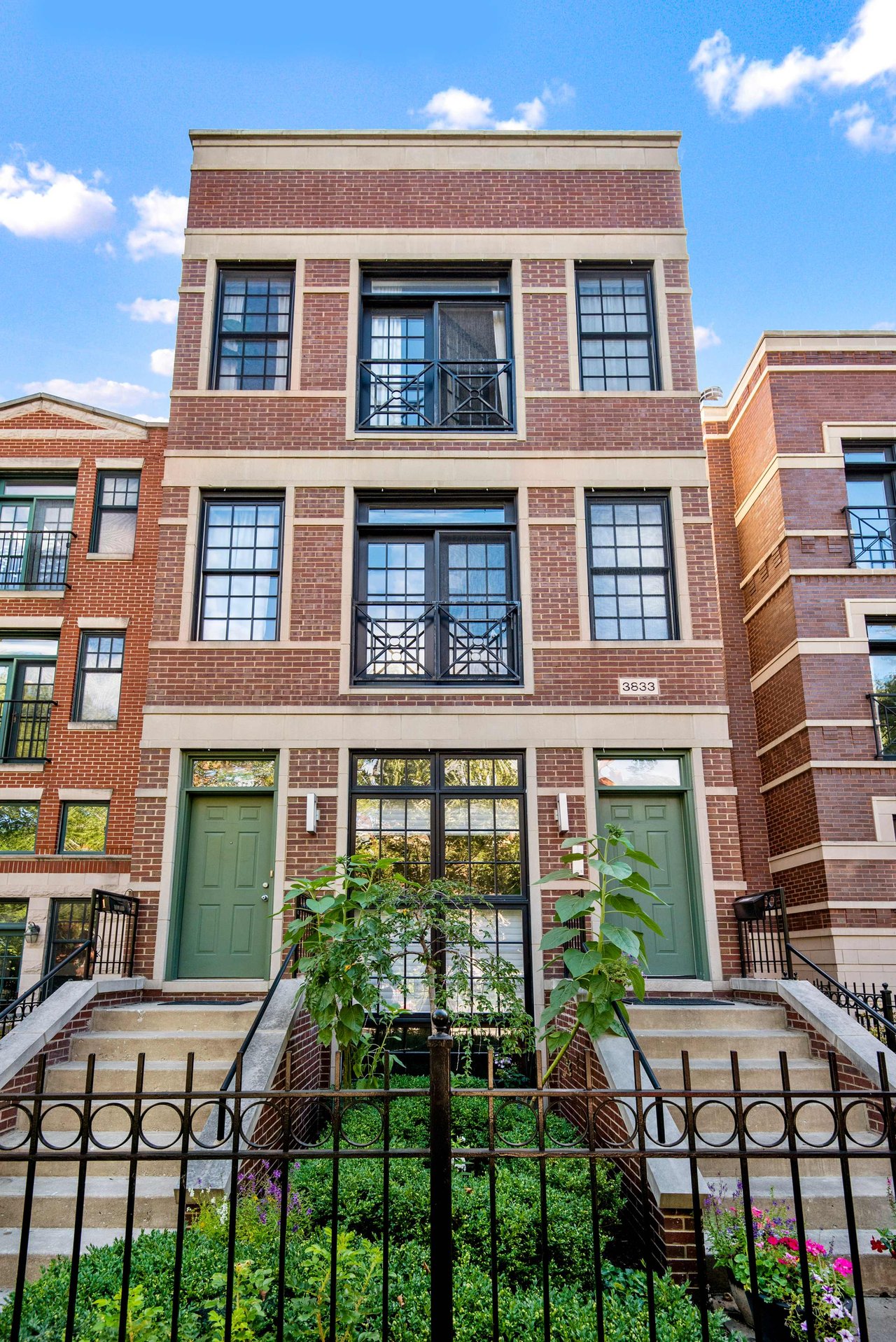
Roscoe Village’s housing stock plays a major role in its character. The neighborhood developed over time around Riverview Park, which opened in 1903, and its early growth replaced greenhouses with frame houses, brick homes, and greystone two-flats. That layered development history still shows up in the built environment today.
For buyers, this means you are often looking at a neighborhood with architectural texture and a sense of continuity. For sellers, it means the surrounding streetscape adds context and appeal to a well-positioned property. The area’s later reinvestment, including condominium conversion of the former Eversharp pencil factory at 1800 W. Roscoe Street, also reflects how older structures have been adapted rather than erased.
A big part of Roscoe Village’s appeal is that its side streets still feel like places to live, not just pass through. According to Roscoe Village Neighbors, most residential streets are zoned for detached single-family, two-flat, three-flat, and multiple-family homes. That mix supports variety while maintaining a neighborhood scale.
This balance is important if you want city living without the pace and feel of a more heavily built-up district. Roscoe Village is dense enough to support shops, restaurants, and transit, but it remains grounded in block-by-block residential fabric. That’s a big reason the neighborhood often feels relaxed even though it is firmly urban.
Green space and recreation are a meaningful part of daily life here. Fellger Park, at Belmont and Damen, includes a soft-surface playground and is described locally as a park for families with children. Hamlin Park, just south of Belmont with its eastern border on Damen, offers a fieldhouse, fitness center, gymnasiums, pool, baseball fields, basketball, tennis, and a playground.
For you, those amenities can shape how the neighborhood functions from one day to the next. Parks are not just visual relief. They add options for recreation, outdoor time, and routine convenience that can influence both lifestyle and buyer demand.
Roscoe Village is not defined by a single tourist draw or entertainment district. Instead, its identity is reinforced by recurring community events that bring people together throughout the year. That creates a more lived-in feel and a stronger sense of continuity.
Roscoe Village Neighbors hosts newcomer receptions, a spring brunch, a Halloween parade and pizza party, winter celebrations, the Garden Walk, and Retro on Roscoe. Retro on Roscoe alone draws more than 35,000 guests each August. For many buyers, that active event calendar signals a neighborhood where people participate locally and where traditions help support a strong sense of place.
A relaxed feel only goes so far if daily logistics are difficult. Roscoe Village benefits from practical transit access that helps support its livability. CTA’s Brown Line runs daily from Kimball to downtown, with nearby stations including Addison, Paulina, and Southport.
The Paulina station is identified by CTA as an accessible elevated station with sheltered bike parking and an Ashland bus connection. Local sources also note bus routes on Damen, Western, Addison, and Belmont. If you want a neighborhood that feels tucked in but still connected, that combination is a meaningful advantage.
If you are considering buying in Roscoe Village, focus on how the neighborhood’s physical form supports its reputation. The appeal is not just a list of businesses or nearby amenities. It is the way vintage housing, walkable retail, parks, and transit all work together within a relatively compact footprint.
You should also pay attention to the differences between blocks and corridors. Some homes lean more residential and quiet, while others benefit from quicker access to Roscoe Street, Belmont, Damen, or Brown Line stations. In a neighborhood with this kind of subtle character, hyper-local guidance can make a real difference.
If you are preparing to sell in Roscoe Village, the neighborhood story is an important part of your property’s positioning. Buyers are often responding to more than interior finishes or square footage. They are also buying into the area’s low-rise scale, local retail mix, historic housing fabric, park access, and community identity.
That means marketing should present the home in the context of the neighborhood’s broader appeal. A thoughtful strategy can connect your property to the traits buyers already associate with Roscoe Village: village-like scale, pedestrian convenience, and a polished but approachable atmosphere.
Many Chicago neighborhoods offer restaurants, transit, and attractive housing. Roscoe Village stands out because those features come together in a way that feels especially cohesive. It has enough activity to feel vibrant, but not so much intensity that it loses its residential character.
For buyers, that can translate into a strong sense of fit. For sellers, it can support a more compelling story around lifestyle, setting, and long-term appeal. In a city full of distinct neighborhoods, Roscoe Village continues to hold its own by feeling both connected and calm.
If you’re thinking about buying or selling in Roscoe Village, working with a neighborhood-savvy, concierge-minded advisor can help you evaluate the details that matter most. For a private conversation about your next move in Chicago, connect with Joy Residential.
Browse active listings in the area or contact us for off-market listings.
Have an expert help you find out what your home is really worth.