-
Home
Home
-
List or Buy with Joy Residential
List or Buy with Joy Residential
-
Testimonials
Testimonials
-
Contact Us
Contact Us
-
My Search Portal
My Search Portal
Home
List or Buy with Joy Residential
Testimonials
Contact Us

My Search Portal
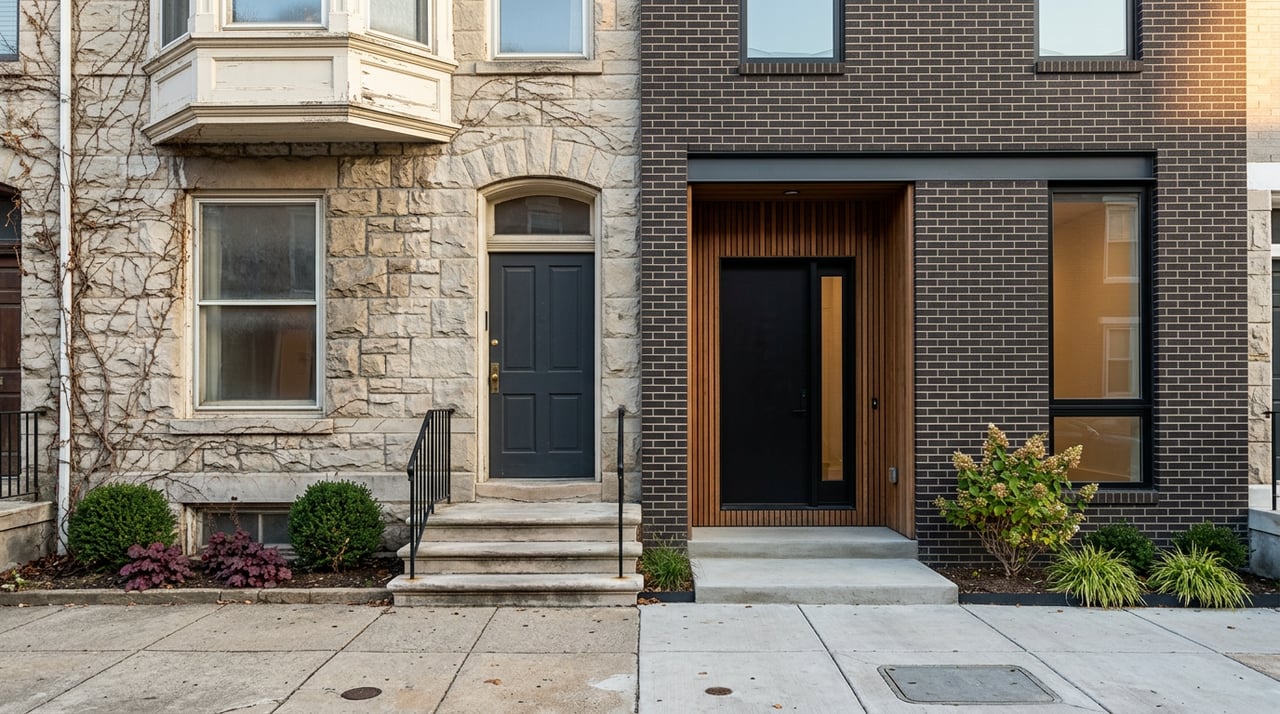
Wondering whether a sleek new build or a story-rich greystone is the better fit for your Lincoln Park lifestyle? You are not alone. This neighborhood offers both modern, amenity-forward options and vintage homes with architectural character, and each path comes with different costs, layouts, and ownership experiences. In this guide, you will learn how new construction and vintage properties compare on space, finishes, energy performance, maintenance, and permits so you can move forward with clarity. Let’s dive in.
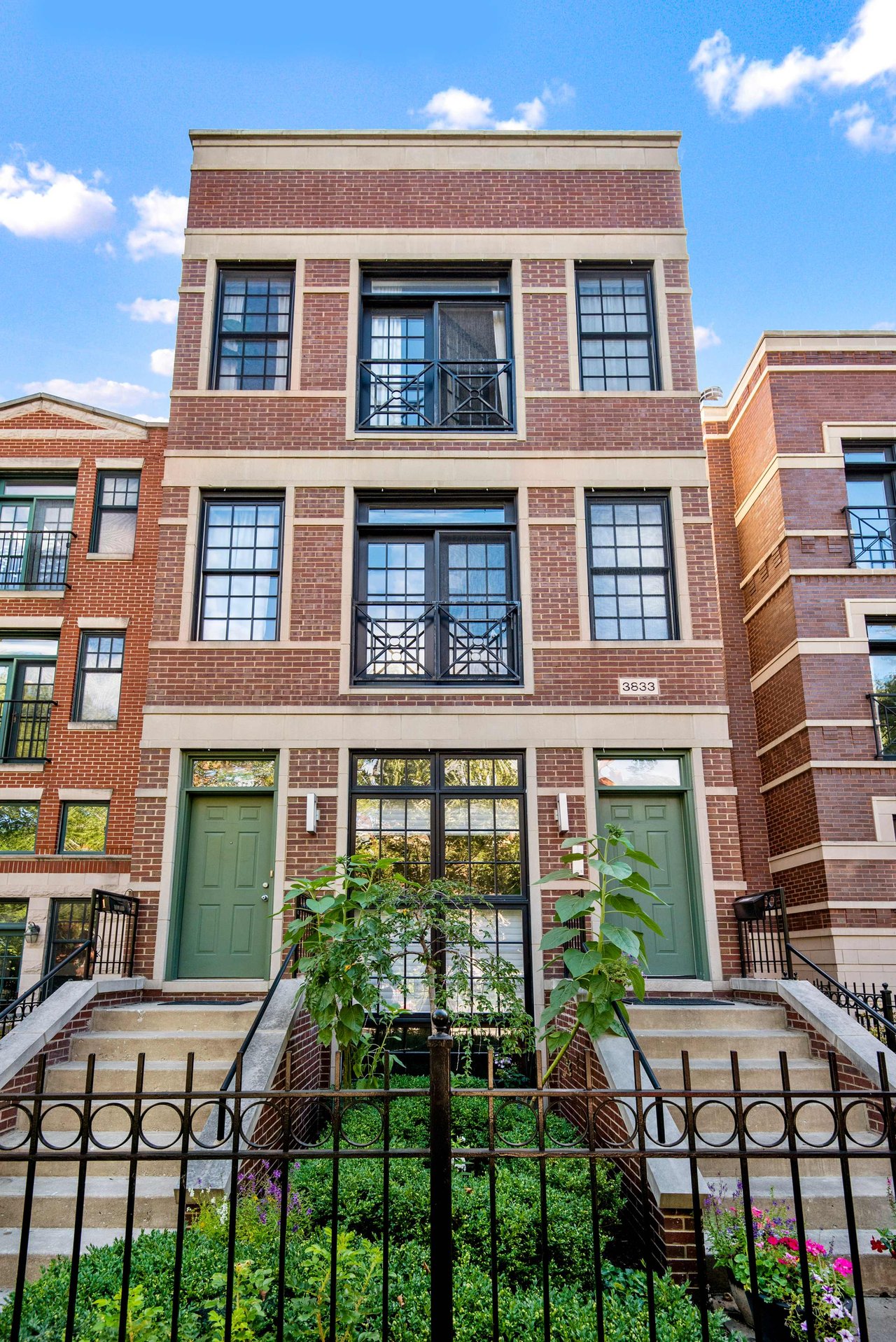
Lincoln Park is one of Chicago’s higher-priced urban neighborhoods, with a mix of classic greystones, prewar brick walk-ups, mid-century buildings, and pockets of new infill townhomes and condo developments. Several local landmark districts, including Sheffield Historic District, Armitage–Halsted, and Mid‑North, help preserve the area’s historic streetscapes. That means you will often see limestone façades and intact vintage details alongside newer builds. You can learn more about greystone architecture’s Chicago roots from this overview of greystones.
In practical terms, you are comparing two value propositions: modern layouts, amenities, and lower near-term replacement risk in new construction versus larger formal rooms and period details in vintage homes, which may carry higher maintenance or renovation needs.
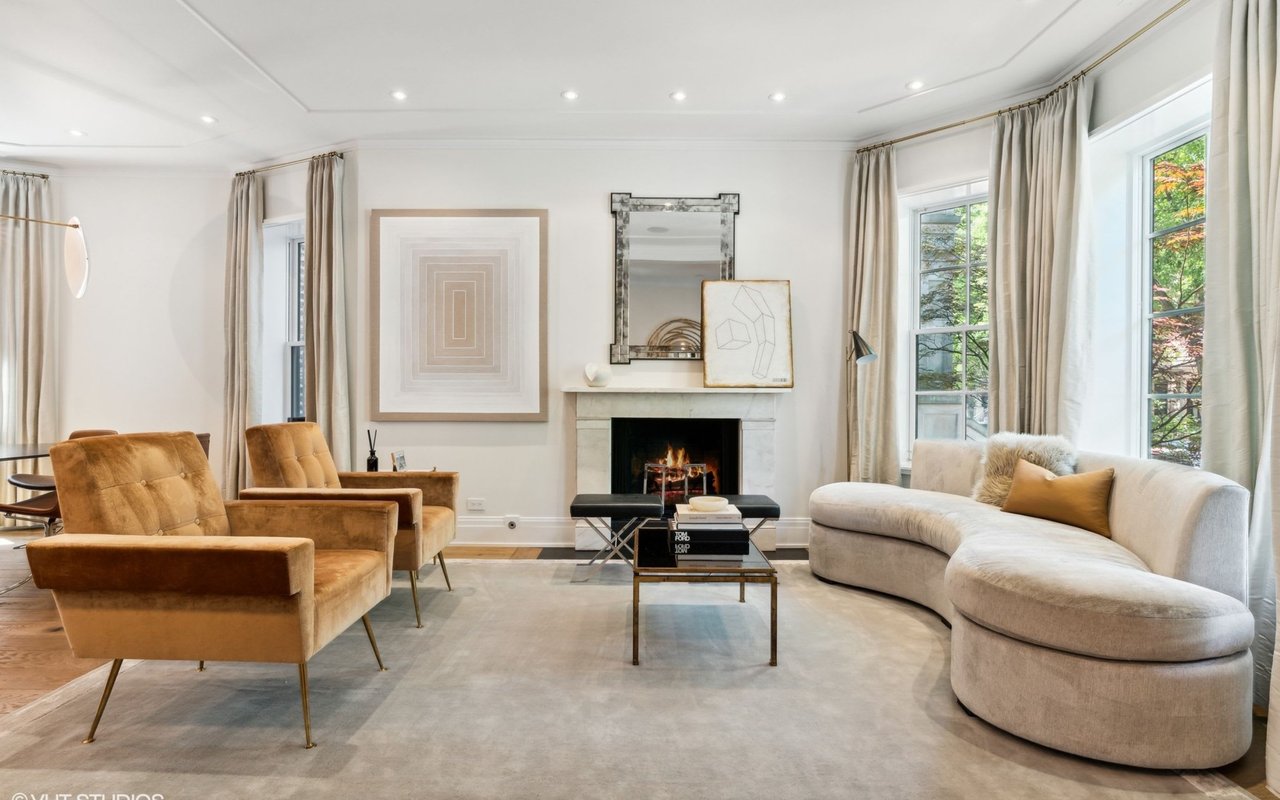
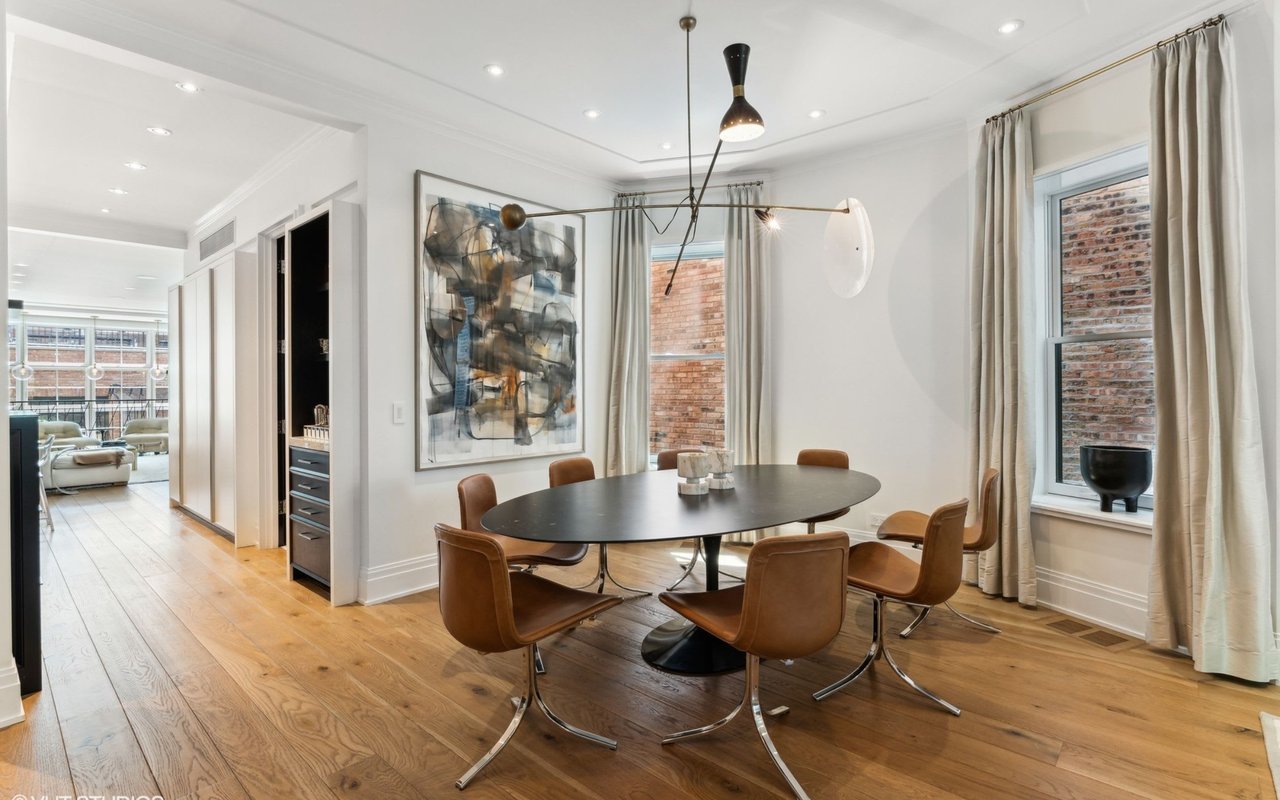
Most recent builds prioritize open-plan living. Kitchens often connect directly to living and dining spaces with large islands, integrated storage, and built-in laundry. Mechanical systems are planned into closets for a cleaner look, and outdoor space is commonly built in through terraces or roof decks. Open plans remain a top driver for buyers, as noted in national builder surveys.
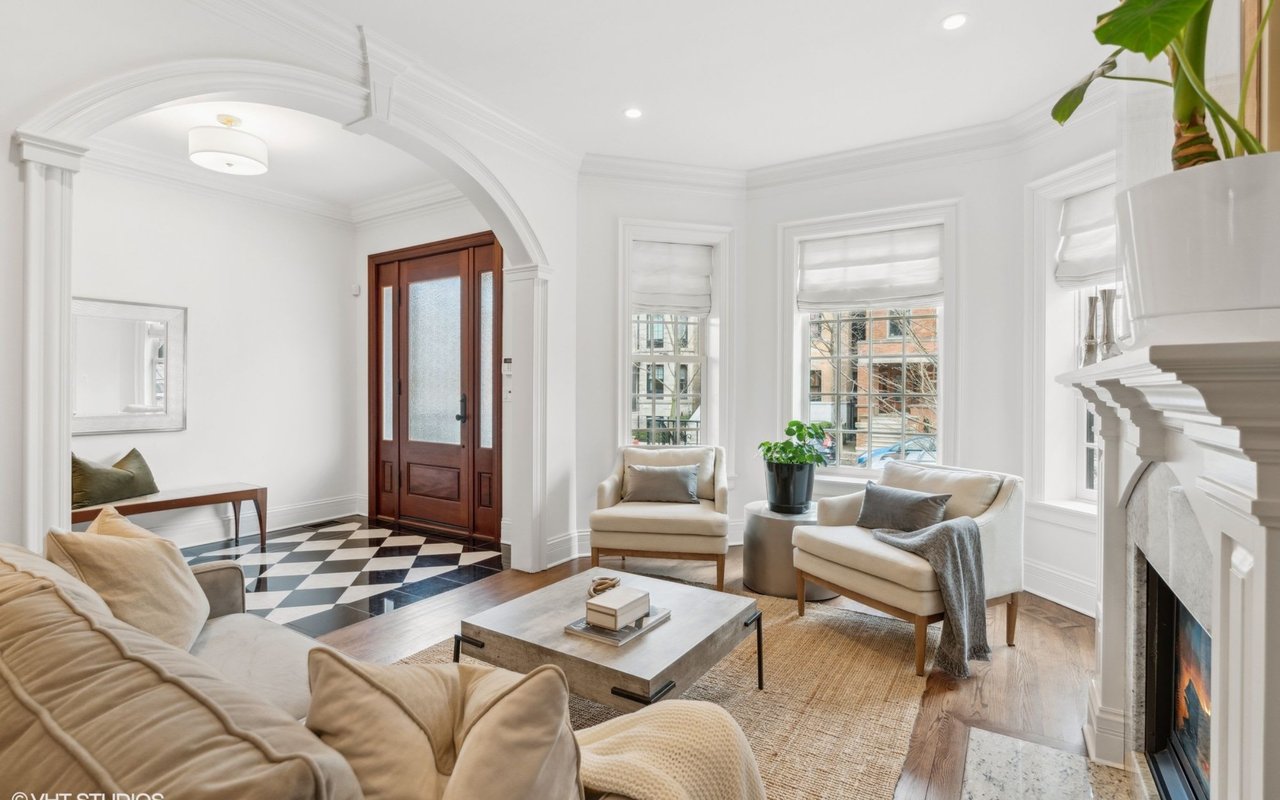
Vintage greystones and prewar condos often feature a formal progression from entry to living room to dining room, with closed or semi-closed kitchens and bedrooms set apart. Expect tall ceilings, large windows, and built-in millwork such as mantels, bookcases, or pocket doors. The character is undeniable, yet the flow can feel more compartmentalized. For preservation guidance that shapes many of these homes, see the Greystone Design Guidelines.
If you value sight lines, casual entertaining, and flexible work-from-home zones, new construction usually wins. If you prefer defined rooms and architectural detail, vintage may deliver the charm you want.
You will commonly find engineered hardwood or luxury vinyl plank, quartz or other engineered stone counters, modern lighting, and integrated tech wiring. In newer condo buildings, amenities can include door staff, gyms, rooftop decks, and package rooms. These upgrades add comfort, but they can also increase monthly assessments.
Expect original hardwood, plaster walls, decorative trim, and sometimes stained glass. Many kitchens and baths have been updated over time with widely varying quality. Storage can be clever but may be limited compared with new builds that plan closet systems from the start.
New homes are often built to stronger energy and envelope standards, which can translate to lower utility costs. The EPA’s ENERGY STAR program notes that certified new homes are at least about 15 percent more energy efficient than standard code-built homes, and can exceed that depending on specification. Read more about local residential efficiency from the EPA.
Chicago’s building policies also encourage better energy performance in new construction. You can review Chicago’s energy and sustainability requirements on the ACEEE city policy database.
Older properties may retain original boilers or steam systems, older furnaces, or aging water heaters. Typical useful lifespans are often cited as 15 to 20 years for central furnaces, about 10 to 20 years for central AC, around 8 to 15 years for tank water heaters, and 20 to 50 years or more for many roofs depending on material. Review service records and confirm ages with specialists. A quick reference on common HVAC lifespans is summarized here.
New construction typically lowers near-term replacement risk and can reduce monthly energy costs. Vintage homes can still perform well, but they require closer attention to utility history, window condition, insulation, and mechanical age.
If you are considering a full renovation, local contractor guidance suggests that gut rehabs on greystones can reach into the low-to-mid six figures depending on size, scope, and finishes. Explore a Chicago greystone renovation primer here.
Newer condo buildings often concentrate costs in monthly assessments, especially when amenities or staff are present. While this can simplify ownership, it is smart to review budgets, reserve funding, and any planned capital projects to understand how services are paid for over time.
Parts of Lincoln Park fall within Chicago Landmark districts such as Sheffield Historic District, Armitage–Halsted, and Mid‑North. Exterior alterations visible from the public way often require review by the Commission on Chicago Landmarks, with preservation-minded materials and approvals that can add time and cost. You can scan an overview of Chicago Landmarks to understand where these rules may apply.
Before you finalize an offer, gather and review the following:
New construction in Lincoln Park offers open layouts, modern systems, and lower near-term maintenance risk, with the tradeoff of higher assessments and a more contemporary aesthetic. Vintage homes deliver character and often larger formal rooms, but they require a sharper eye on mechanicals, masonry, windows, and potential preservation review. If you match the home’s strengths to your lifestyle and verify utility history, system ages, and HOA reserves, you will make a confident choice.
Ready to compare specific addresses and understand what the numbers mean for you over the next 3 to 5 years? Reach out to Joy Residential to Request a Private Consultation. You will get concierge-level guidance that puts your goals first and helps you buy with clarity.
Browse active listings in the area or contact us for off-market listings.
Have an expert help you find out what your home is really worth.