-
Home
Home
-
List or Buy with Joy Residential
List or Buy with Joy Residential
-
Testimonials
Testimonials
-
Contact Us
Contact Us
-
My Search Portal
My Search Portal
Home
List or Buy with Joy Residential

Testimonials
Contact Us

My Search Portal

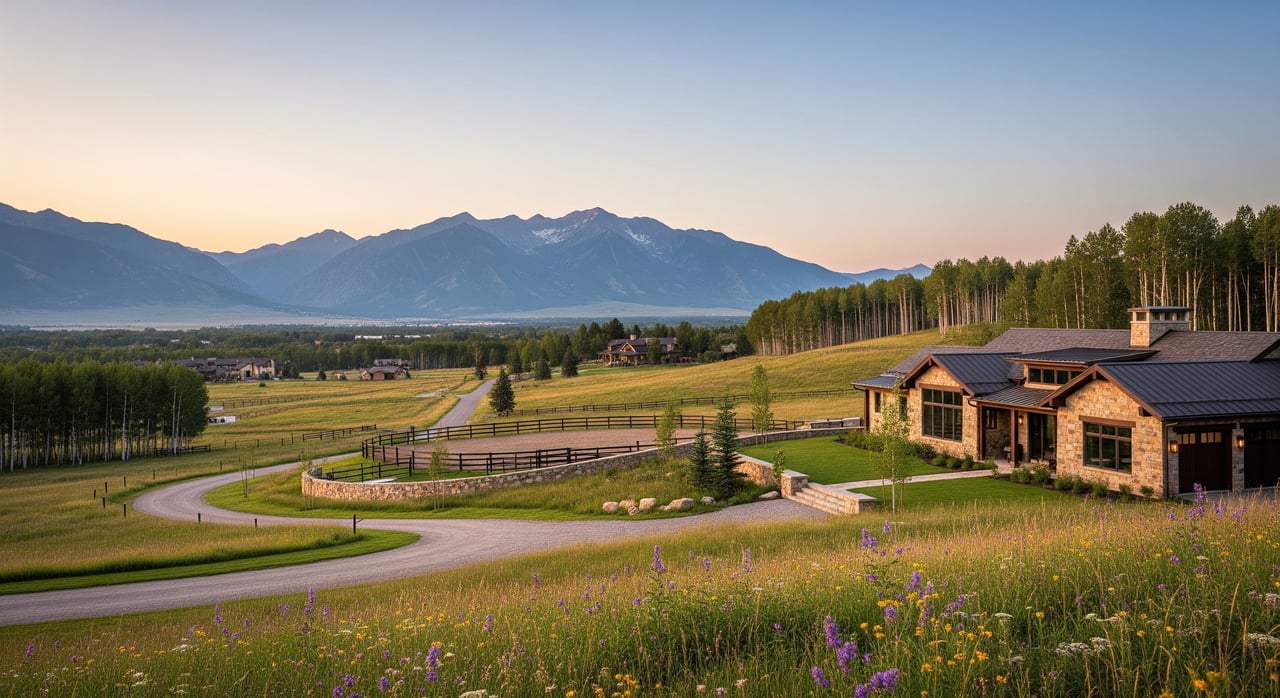
Torn between wide‑open acreage along Old Ranch Road and the ease of an in‑town home in the Park City area? You are not alone. Many buyers love the privacy and possibility of land but want quick access to schools, dining, services, and year‑round convenience. In this guide, you will learn the real tradeoffs in utilities, zoning, costs, risk, lifestyle, and resale so you can choose with confidence. Let’s dive in.
Old Ranch Road sits in Summit County’s high‑elevation mountain environment. Winters are snowy and cold, summers are mild, and the growing season is short. Terrain can vary from flat pasture to rolling hills and draws. These conditions influence access, road maintenance, utilities, construction timelines, and insurance.
By comparison, in‑town homes across Park City and nearby town centers typically enjoy municipal services, shorter drive times to daily needs, and more predictable winter maintenance. Your choice is less about “better” and more about what you want to manage day to day.
If you are considering acreage along Old Ranch Road, expect a different utility profile than in town.
The freedom of acreage comes with rules that protect land, water, and habitat. Before you fall in love with a barn plan or guest house concept, verify what is allowed.
Acreage typically commands a premium for land and privacy, but it appeals to a narrower buyer segment. In‑town homes often draw a broader audience focused on convenience. Exact pricing changes with market conditions, so ask for current comps.
On acreage, carrying costs can include road maintenance fees, septic pumping and service, well testing, higher heating costs, and potentially higher insurance in mapped wildfire zones. In town, municipal services can lower per‑lot maintenance and simplify your monthly routine.
If you plan to build or significantly remodel on acreage, budget time and money for site work. Grading, driveway placement, culverts, and retaining walls may be required on sloped sites. Utility extensions for power, water, and communication lines can add cost. The mountain building season is shorter, so schedule permits, contractors, and materials with seasonality in mind.
Lenders may add requirements for properties with private wells or septic, long driveways, or non‑standard access. Some loan programs have specific rules for rural properties. Work with a lender who understands Summit County’s rural nuances and can advise on appraisal approaches, escrow holdbacks for completion items, and documentation for water and septic.
Rural and edge‑of‑town parcels can carry higher wildfire risk, which can affect insurance availability and premiums. Ask about local defensible space standards, vegetation management, and any community Firewise programs. Buyers should get insurance quotes early in the offer process.
Review FEMA flood designations and local geological hazard maps for slopes, soil stability, and avalanche exposure. Site‑specific soils reports can inform foundation design and driveway placement. If a home sits near creeks or drainages, confirm whether flood insurance is required by your lender.
Well yield and water quality should be tested for coliforms, nitrates, and other regionally relevant parameters. Septic systems have a finite life. Understand the system type, age, permit history, and service records to avoid surprises.
In Utah, mineral rights can be severed from surface rights. Title insurance and a careful review of exceptions will clarify what rights transfer. Ask your agent and title officer to walk you through recorded easements and any unusual encumbrances.
If you value privacy, room for animals, and direct connection to trails and open space, Old Ranch Road acreage can be a strong fit. You gain flexibility for accessory structures and outdoor living. You also accept more hands‑on property management and a self‑reliant lifestyle, especially in winter.
If you want quick access to restaurants, grocery stores, schools, healthcare, and cultural events, in‑town living keeps life simple. Municipal services, shorter emergency response times, and easy commutes appeal to many full‑time residents. In‑town homes often attract a broader buyer pool, which can support faster resale in changing markets.
Use this short checklist as you evaluate a specific property. Your agent can help you coordinate the right experts.
Start by ranking your non‑negotiables. Are privacy, space for animals, and trail access at the top? Or do daily conveniences and lower maintenance take priority? Then evaluate specific parcels or neighborhoods against the utility, zoning, cost, and risk factors outlined here. A clear side‑by‑side can reveal the best fit for your lifestyle.
At Joy Residential, you work directly with a founder‑led advisor who understands the Park City area’s rural acreage and in‑town markets. We coordinate with local planners, health department officials, lenders, title teams, and inspectors so your questions are answered before you commit. Whether you are moving from Chicago or upgrading your Park City lifestyle, we can help you compare options with clarity and discretion.
Ready to explore Old Ranch Road acreage or in‑town convenience with a tailored plan? Connect with Joy Residential for a private consultation.
Browse active listings in the area or contact us for off-market listings.
Have an expert help you find out what your home is really worth.