-
Home
Home
-
List or Buy with Joy Residential
List or Buy with Joy Residential
-
Testimonials
Testimonials
-
Contact Us
Contact Us
-
My Search Portal
My Search Portal
Home
List or Buy with Joy Residential
Testimonials
Contact Us

My Search Portal
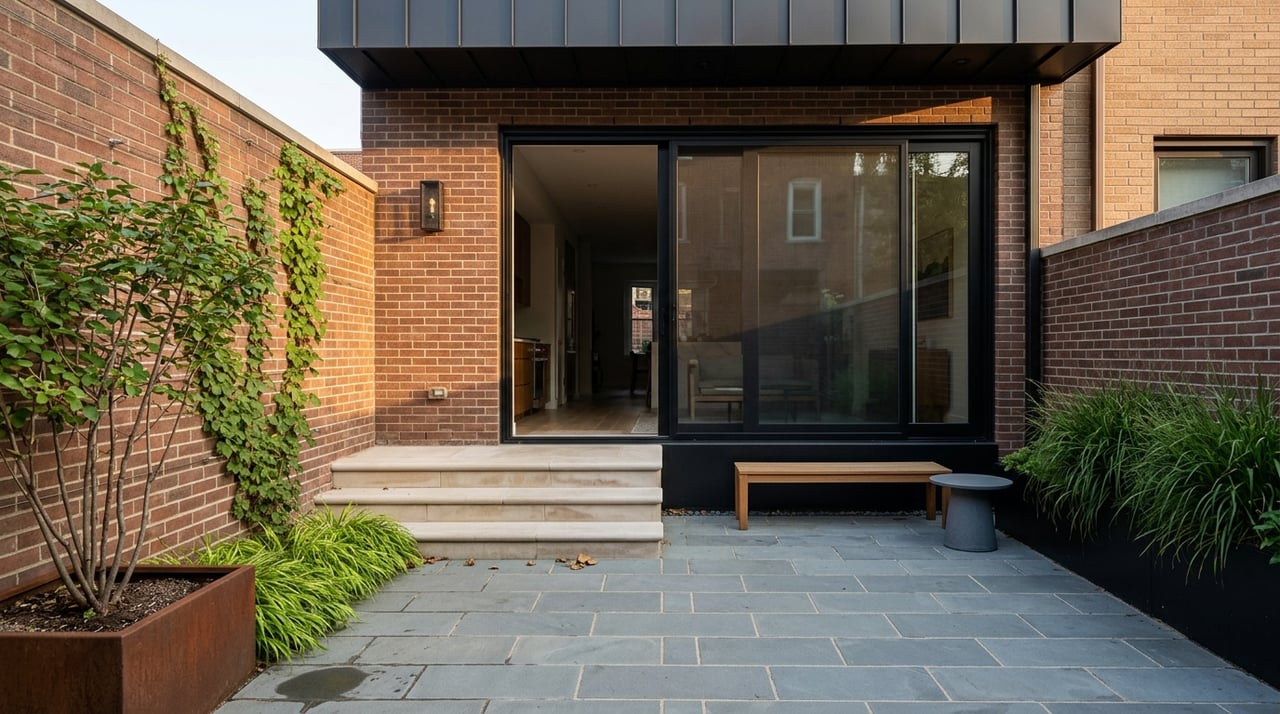
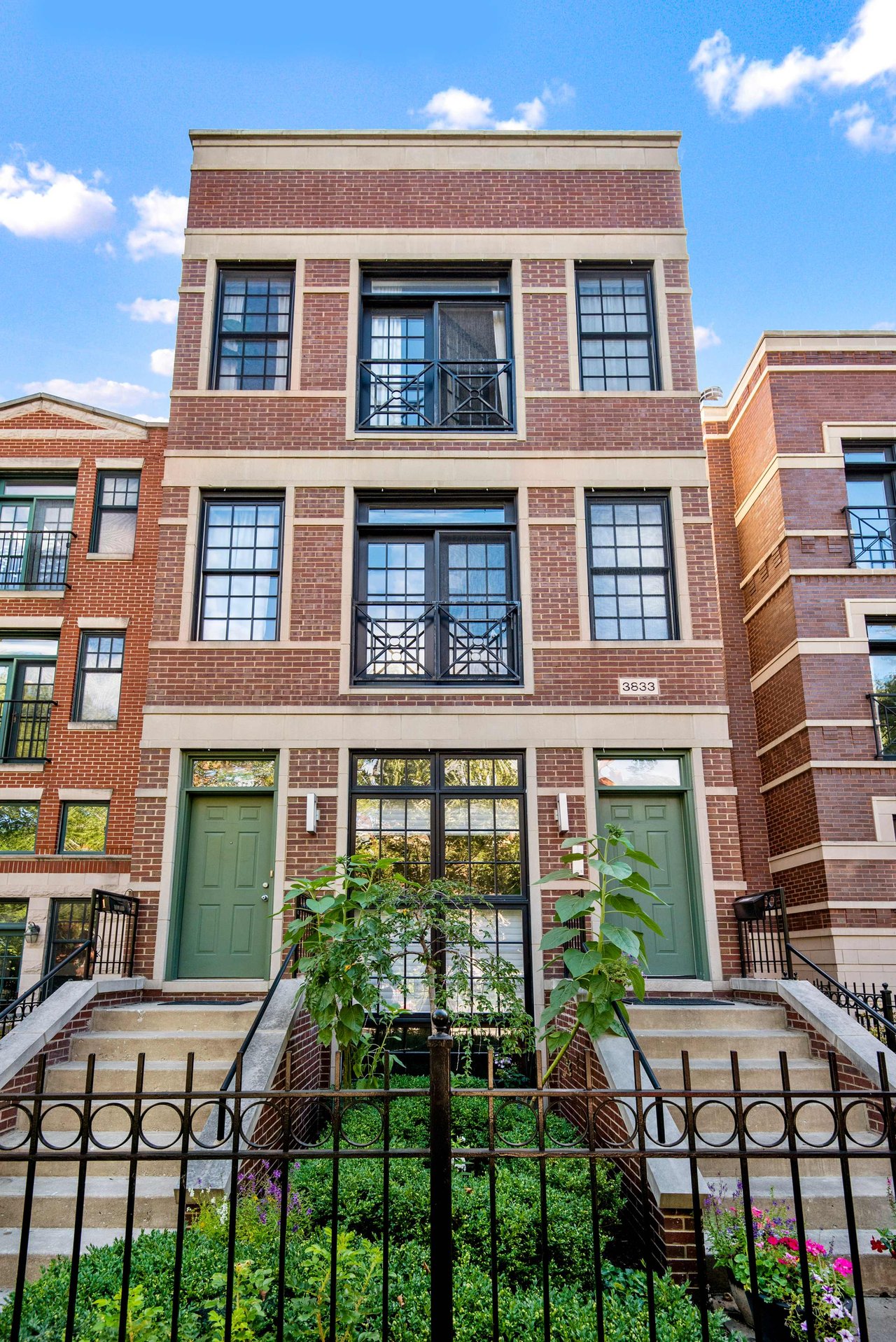
If you are selling in Bucktown, you are not just listing square footage. You are presenting a home within one of Chicago’s most visually distinctive neighborhoods, where tree-lined streets, historic buildings, modern additions, and walkable local character all shape buyer expectations. When your home is positioned with care, you can help buyers connect with both the space and the lifestyle it offers. Let’s dive in.
Bucktown has a strong visual identity. Choose Chicago describes it as an eclectic neighborhood with independent boutiques, cafés, green space, walkability, and a mix of historic homes and newer design. The Chicago Architecture Center notes that The 606 links Bucktown with nearby neighborhoods, while the Bucktown Community Organization highlights the area’s long history and century-old buildings.
For sellers, that means presentation matters in a very specific way. Buyers are often responding to character, neighborhood texture, and a curated urban feel, not only to room count or size. Your goal is to make your home feel aligned with what draws people to Bucktown in the first place.
Bucktown sits in a competitive and price-sensitive market. Recent reports from Redfin, Zillow, and Realtor.com all point to strong pricing, relatively quick activity, and seller-friendly conditions, even though each source measures the market differently.
In a market like that, design presentation can shape how your home stands out. Buyers may move quickly, but they are still comparing finishes, flow, natural light, and how well a home reflects the neighborhood’s architecture-forward appeal. A polished listing can help create confidence from the first showing.
One of the biggest mistakes sellers make is overcomplicating the visual story. In Bucktown, a home usually shows best when the design feels edited, calm, and intentional. That does not mean empty or cold. It means every room should help buyers notice the home itself.
If you have original brick, woodwork, distinctive windows, staircase details, or other architectural features, let those elements breathe. In many Bucktown homes, those details are part of the appeal. When they are in good condition, preserving and highlighting them is often more effective than covering them up with heavy décor or trendy finishes.
The 2025 Profile of Home Staging from NAR found that the living room, primary bedroom, and kitchen are the most important rooms to stage. That matters because those are also the rooms where buyers often decide whether a home feels elevated, functional, and worth pursuing.
Instead of trying to perfect every corner at once, start where perception is built fastest. If your budget or timeline is limited, put your energy into the spaces that will carry the listing online and in person.
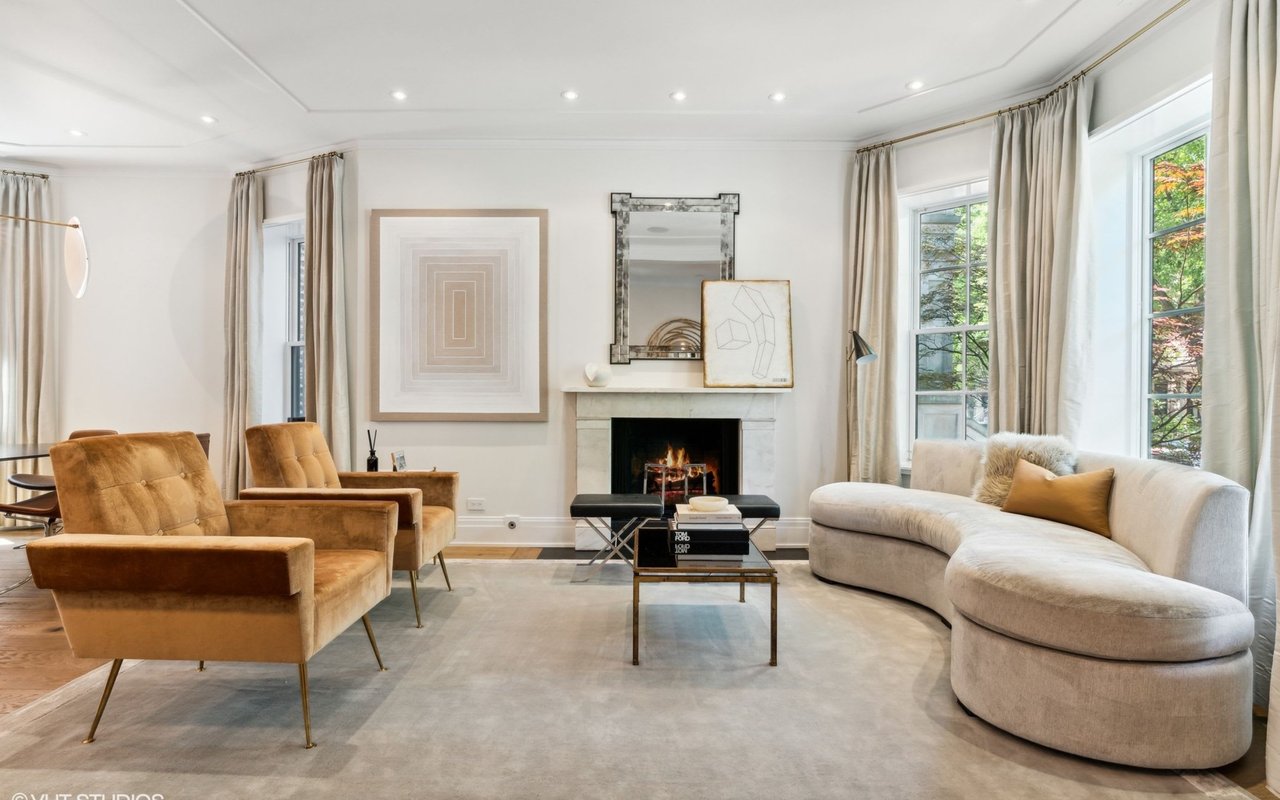
Your living room should feel open, balanced, and easy to understand. Remove extra furniture, simplify accessories, and create a layout that supports conversation and movement. If you have large windows, exposed materials, or strong architectural lines, make sure the room arrangement draws attention to them.
Keep color palettes neutral and layered rather than stark. A Bucktown home can still feel warm and refined without looking overly decorated. The goal is a collected, urban look that photographs clearly.
In the kitchen, clean lines matter. Clear off countertops, limit small appliances, and make sure hardware, lighting, and finishes feel cohesive. Even a few simple updates, such as repaired cabinet hardware, brighter bulbs, and a fresh paint touch-up nearby, can improve the impression.
You do not always need a major renovation to make a kitchen feel market-ready. In many cases, an uncluttered, well-lit kitchen presents better than one filled with personal items or mismatched details.
The primary bedroom should feel restful and spacious. Use streamlined bedding, reduce extra furniture, and create visual symmetry where possible with nightstands or lamps. Buyers should be able to imagine the room as a retreat, not a storage space.
This is also a place to edit personal style. Highly specific colors, wall art, or décor themes can distract from the room’s size, light, and layout.
For many Bucktown sellers, the smartest strategy is to edit rather than overhaul. Because the neighborhood blends historic character with modern design, smaller cosmetic improvements often deliver a better return than rushed, expensive renovations.
Consider prioritizing updates like these:
These changes help your home feel cared for and current without erasing its personality. They also support better photography, which is critical to your first impression online.
Bucktown’s appeal is closely tied to its history and built character. Century-old buildings, mature streetscapes, and layered architectural styles are part of what gives the neighborhood its feel. If your home includes original details that are in solid condition, those elements are often worth featuring.
That does not mean every old feature should stay exactly as is. It means updates should work with the home’s architecture instead of fighting it. A restrained approach usually feels more credible and more timeless than trying to make an older home look like something entirely different.
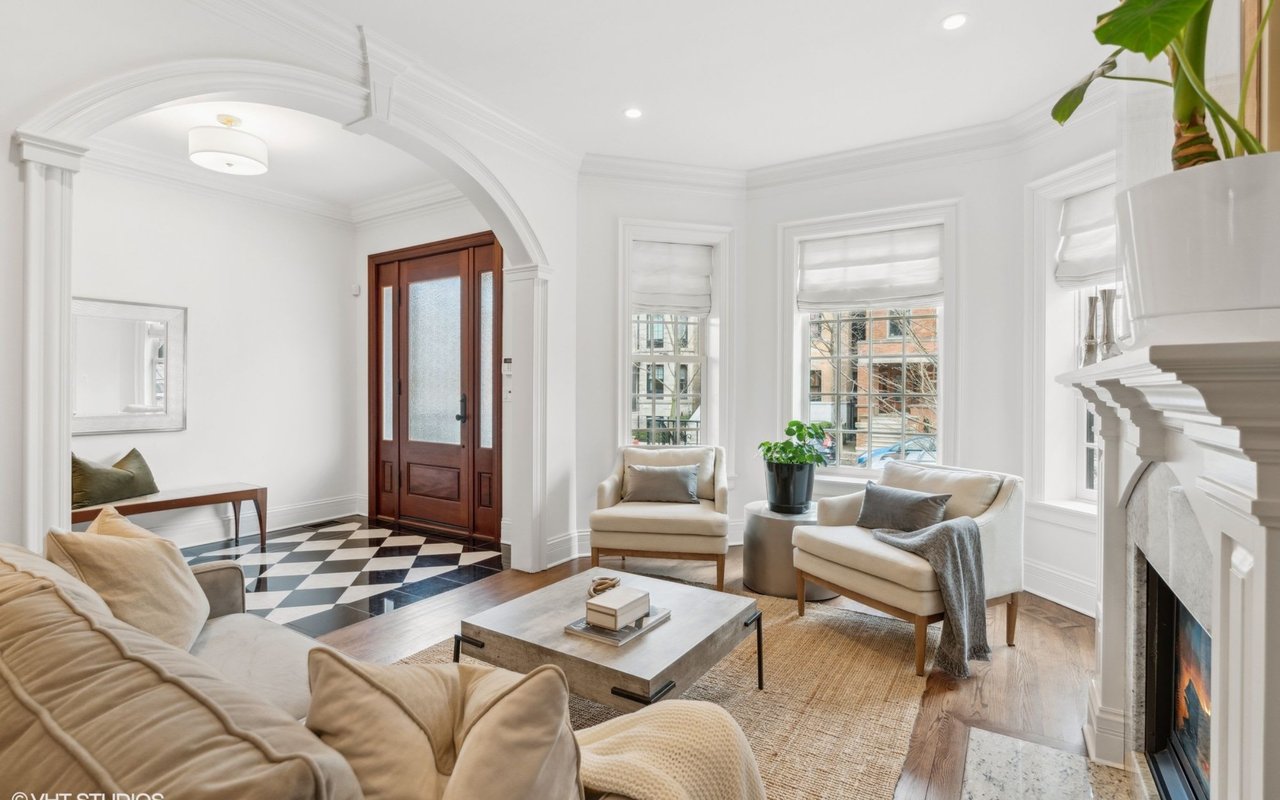
Before buyers ever reach your living room, they are already forming opinions. In Bucktown, that often starts at the curb, stoop, front door, or small entry foyer. These spaces set the tone for the entire showing.
Clean up the exterior approach, refresh the front door if needed, and make sure lighting and house numbers feel intentional. Inside, keep the foyer simple and welcoming. Even in a compact space, a clean entry can signal that the rest of the home has been thoughtfully prepared.
Presentation does not stop with staging. The 2025 NAR staging report found that photos, physical staging, video, and virtual tours all matter to buyers’ agents. In a visually driven neighborhood like Bucktown, your online presentation should feel just as considered as the home itself.
That means professional photography is not optional if you want to compete at a high level. If your listing budget allows, video or a virtual tour can add another layer of clarity and reach. Buyers often decide which homes deserve their time before they ever schedule a visit.
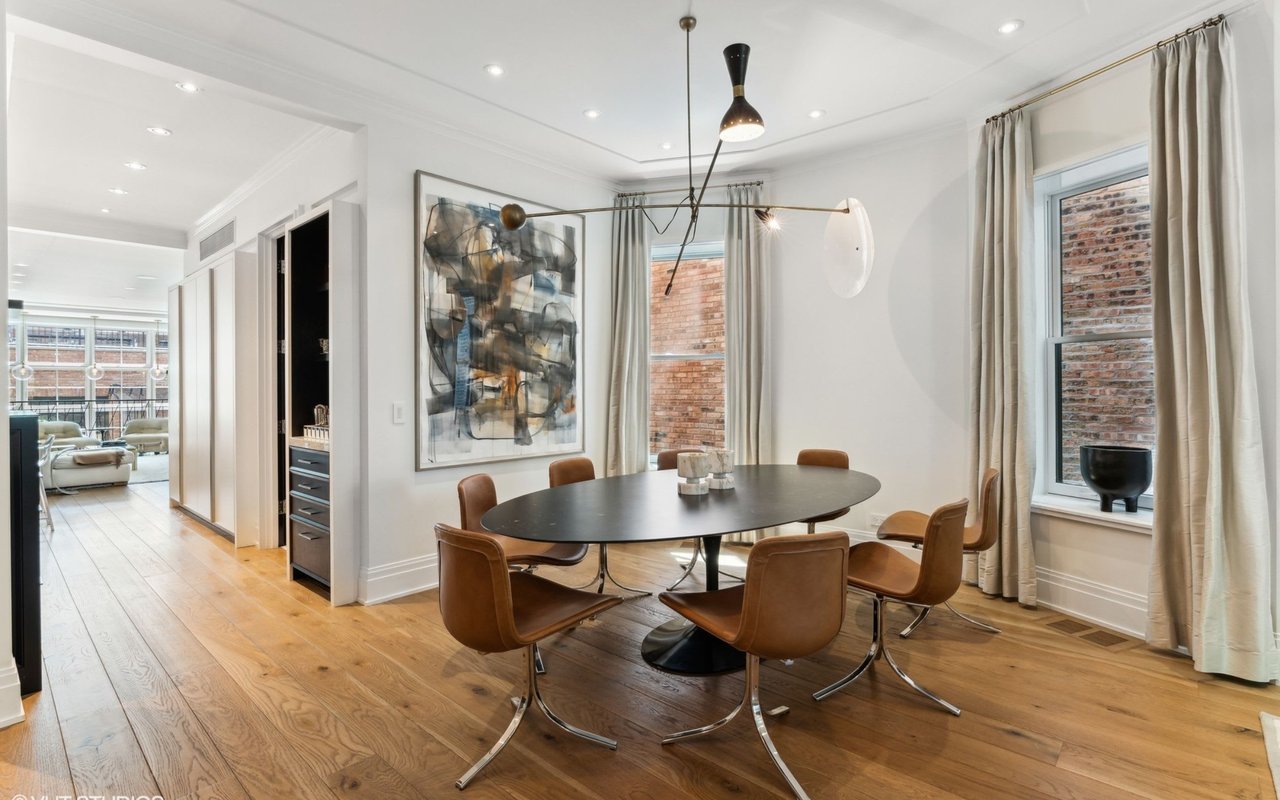
Your listing visuals should show more than finishes. They should communicate light, scale, flow, and architectural personality. Clean compositions, strong vertical lines, and thoughtful room styling can help buyers understand what makes the home special.
In Bucktown, it is especially helpful when photography captures the balance between classic character and modern livability. That is often where emotional connection begins.
Design-minded buyers are not always looking for what is trendy this month. More often, they respond to cohesion, clarity, and a home that feels easy to live in. Overly personal décor or hyper-trendy styling can narrow your audience.
A better strategy is to keep the look refined and restrained. Let the architecture, materials, and layout do the talking. When buyers can clearly visualize their own life in the home, you create stronger momentum.
As you prepare to list, walk through your home as if you are seeing it for the first time. Notice where your eye lands, where the flow feels tight, and which features deserve more attention. Small changes in furniture placement, lighting, or styling can shift the entire experience.
Ask yourself a few practical questions:
Those answers can help you make better pre-listing decisions without over-improving.
In a neighborhood like Bucktown, design presentation is not about making your home look generic. It is about helping buyers see the value of what is already there. When your home feels edited, well-maintained, and visually aligned with the neighborhood, it becomes easier for buyers to connect with it quickly.
That is especially important in a market where competition is real and first impressions move fast. With the right preparation, your home can feel distinctive for the right reasons.
If you are thinking about selling in Bucktown and want a thoughtful, design-aware strategy tailored to your home, Joy Residential can help you prepare, position, and present your property with care.
Browse active listings in the area or contact us for off-market listings.
Have an expert help you find out what your home is really worth.