-
Home
Home
-
List or Buy with Joy Residential
List or Buy with Joy Residential
-
Testimonials
Testimonials
-
Contact Us
Contact Us
-
My Search Portal
My Search Portal
Home
List or Buy with Joy Residential
Testimonials
Contact Us

My Search Portal
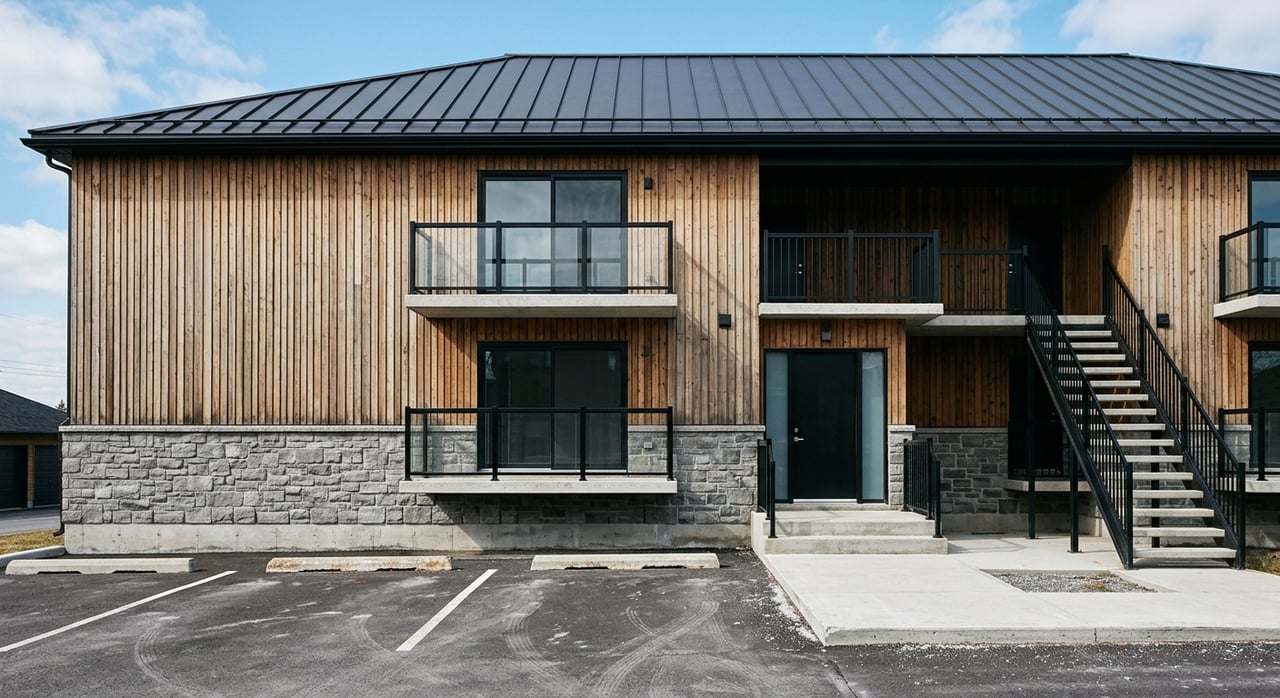
Wondering whether a condo or a townhome makes more sense in Prospector? If you are drawn to Park City for easy trail access, fare-free transit, and a low-friction mountain lifestyle, that choice can shape how you live day to day. The good news is that Prospector gives you strong options on both sides, and the better fit usually comes down to maintenance, privacy, outdoor space, and total monthly cost. Let’s break it down.
Prospector works well as a Park City home base because it sits inside the city’s trail and transit network. Park City notes that Prospector Park connects to the Rail Trail, New Prospector Park is close to the Rail Trail, and the city and surrounding area offer more than 7,000 acres of preserved open space and more than 350 miles of recreational trails.
That access is not just about recreation. Park City Transit is fare-free, and the current rider’s guide shows a Prospector Square to Deer Valley Resort route running seven days a week, with service to Main Street, Park City Mountain Village, and Deer Valley Resort. For many buyers, that helps make Prospector feel connected without putting you in the middle of the busiest parking areas.
A condo is an individual unit within a larger building or community. As an owner, you typically share ownership of the exterior and common areas with other owners through the homeowners association.
That matters because monthly condo dues often cover exterior repairs, shared spaces, and sometimes certain utilities or amenities. In practical terms, condos are often the more hands-off choice, especially if you want a lock-and-leave setup in Park City.
In Prospector, condos span different eras and building styles. Park City identifies Prospector Square Condos as part of a large multi-building project built in the 1970s, while Aspen Villas were built in 1997 and Central Park City Condos were completed in 2018.
That range can create very different ownership experiences. One condo may feel more updated and turnkey, while another may offer value but require closer review of renovation condition, reserves, and future capital needs.
A townhome is usually a multi-level home that shares one or two walls with neighboring units. Townhomes often have a private entrance and usually include some private outdoor space, such as a deck or patio.
For many buyers, that creates a more house-like feel. You may get a little more separation, a more residential layout, and outdoor spillover space that is easier to use for morning coffee, gear storage, or casual entertaining.
Townhomes are not automatically maintenance-free. Depending on the HOA and the CC&Rs, you may still pay dues that help maintain exterior spaces or shared elements.
That is why the governing documents matter so much. In one community, the HOA may handle more exterior responsibility, while in another, you may be expected to keep a closer eye on items like drainage, gutters, pests, garage-related upkeep, or other exterior details.
The condo versus townhome decision in Prospector is usually less about a simple good-or-bad answer and more about your preferred ownership style. Both property types can work well here, but they serve different priorities.
| Feature | Condo | Townhome |
|---|---|---|
| Ownership feel | More shared-community style | More house-like feel |
| Entry | Often through a larger building or shared setting | Usually private entrance |
| Maintenance | Often more HOA-managed | Varies more by HOA and CC&Rs |
| Outdoor space | May be limited or none | Typically deck or patio |
| Layout | Often single-level or compact | Often multi-floor |
| Best fit | Buyers who want simpler upkeep | Buyers who want privacy and residential feel |
In Prospector, the HOA may be just as important as the floor plan. HOA fees, reserve funding, and possible special assessments can directly affect your monthly cost and your future ownership experience.
It is smart to look past the list price and ask what the HOA actually covers. Dues are usually separate from the mortgage payment, so they should be part of your monthly affordability review from the start.
When you compare condos and townhomes in Prospector, these questions can help you make a more confident decision:
These details can change the value equation quickly. A lower list price may not feel like a bargain if dues are high or major building work is coming.
Parking deserves closer attention than many buyers expect. Even though Park City’s parking management plan suggests the Prospector neighborhoods are not anticipated to be highly impacted by parking, thanks in part to the nearby High School park-and-ride, each HOA can handle parking very differently.
Before you buy, confirm whether parking is deeded, assigned, shared, or first-come, first-served. That single detail can affect convenience, guest use, resale appeal, and how easy the home feels during ski season or busy weekends.
One classic difference between condos and townhomes is private outdoor space. Condos may offer little or no yard space, while townhomes more often include a private deck or patio.
In Prospector, though, that gap can feel a little smaller because public outdoor access is so close by. Prospector Park connects to the Rail Trail, New Prospector Park sits near the trail, and Lost Prospector is accessible from the Rail Trail and known for Old Town views.
That means a condo buyer may still enjoy an active outdoor lifestyle without needing much private exterior space. If you expect to spend more time on the trails than in a private yard, that could shift your priorities.
If your goal is the most hands-off ownership experience, a condo will often be the stronger match. That is especially true if you want a Park City home that is easy to leave for stretches of time while the HOA handles more of the exterior burden.
If you want a more residential feel, a private entrance, and some private outdoor spillover, a townhome may be the better fit. You may take on a bit more responsibility depending on the HOA, but you may also gain a layout that feels more like a standalone home.
You may lean toward a condo if you want:
You may lean toward a townhome if you want:
In Prospector, the smarter comparison is usually total carrying cost, not just purchase price. HOA dues are commonly paid separately from the mortgage, and they can vary meaningfully from one community to another.
That means two homes with similar list prices may feel very different once you factor in dues, reserve health, maintenance responsibility, and the possibility of future assessments. Looking at the full monthly picture helps you avoid surprises and choose the property that actually fits your lifestyle and budget.
Prospector offers a compelling mix of convenience, trail access, and connectivity to key Park City destinations. Because the neighborhood includes both older condo communities and newer infill options, the right choice is rarely just about property type alone. It is about how the specific HOA, condition, layout, parking, and outdoor setup line up with the way you want to live.
If you are weighing condos versus townhomes in Prospector, the best next step is a side-by-side review of the communities and listings that match your goals. For tailored guidance on Park City lifestyle fit, ownership tradeoffs, and available opportunities, connect with Joy Residential.
Browse active listings in the area or contact us for off-market listings.
Have an expert help you find out what your home is really worth.