*

Quieter Prospector Condos: Soundproofing That Works

October 23, 2025
Do you want content like this delivered to your inbox?
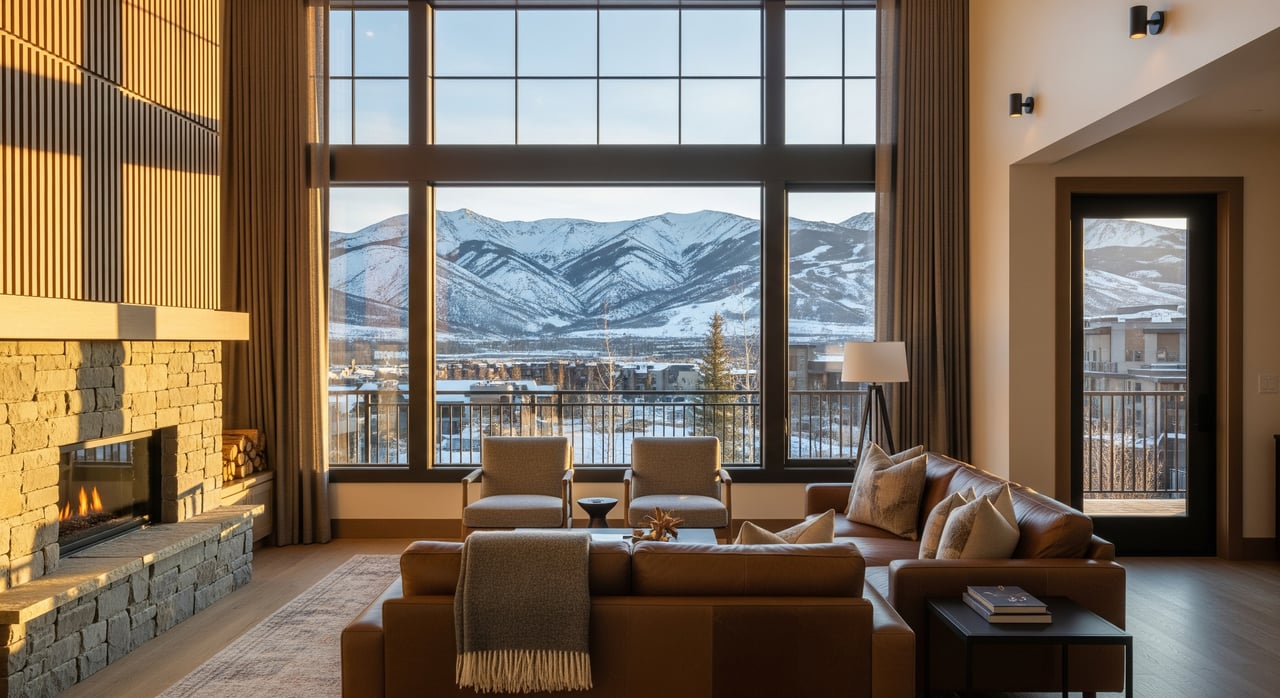
Modern lodge living room with a stone fireplace and sofas facing snowy mountains through tall windows.

Tired of hearing footsteps, voices, or late-night music in your Prospector condo? You’re not imagining it. Many buildings in this Park City neighborhood were built decades ago, and today’s mix of full-time residents and short-term guests can amplify noise. In this guide, you’ll learn what actually works to quiet your space, what your HOA and city rules require, and how to budget smartly. Let’s dive in.

Why Prospector noise happens

Prospector includes many stacked condos and townhomes, with several complexes dating from the 1970s and 1980s. That older construction often means thinner walls and floor systems that don’t meet today’s acoustic expectations. You’ll find details about the neighborhood mix and building ages in this local overview of Prospector real estate and communities. See the Prospector neighborhood context.

Park City enforces a municipal noise ordinance with specific quiet hours and a clear complaint process. If you’re dealing with recurring issues, knowing how the city handles noise can help you coordinate with your HOA and neighbors. Review the city’s guidance on quiet hours and enforcement on the Park City noise ordinance page.

Know the rules first

Before you spend on upgrades, check the rules that apply to your building and your unit.

  • City standards: Modern multifamily codes target walls and floors that achieve about STC 50 and IIC 50. These ratings are the baseline many designers use for reasonable privacy. Learn the basics in this summary of IBC acoustic requirements.
  • HOA approvals: Many associations require pre-approval for floor changes, wall work, or any alteration touching shared elements. Some even specify minimum STC/IIC or testing after installation. Review a sample of typical HOA requirements in this architectural rules example.
  • Best practices: Programs focused on healthy, quiet homes recommend higher targets and careful sealing of penetrations. See guidance on sealing and higher acoustic goals in Green Communities recommendations.

Quick wins this weekend

Start with low-cost, reversible steps that often deliver noticeable relief:

  • Seal gaps at baseboards and wall perimeters with acoustic caulk.
  • Add door sweeps and perimeter seals to entry and interior doors.
  • Install outlet box putty pads on shared walls.
  • Place bookcases or heavy furniture on party walls to add mass.
  • Use sound-masking in bedrooms for sleep while you plan bigger fixes.

Walls that block sound

Party walls are common weak spots in older Prospector condos. These upgrades are proven in multifamily settings.

Add mass and damping

Adding a second layer of drywall with a viscoelastic damping compound can boost a wall’s lab-tested STC by several points to the low teens, depending on the starting assembly. Sound-rated drywall is another option. Explore a practical comparison of these approaches in this guide on double drywall versus sound-rated panels.

Decouple when remodeling

If you open walls during a remodel, resilient channels or clips can isolate the drywall from the studs, often improving STC by 10 to 15 points when installed correctly. This is more invasive but highly effective. You’ll find pros and cons in the same retrofit comparison.

Seal flanking paths

Even great walls leak sound through gaps, outlets, and penetrations. Use acoustic sealant at perimeters, putty pads for boxes, and treat plumbing or HVAC openings. Small gaps can undo big investments. Learn why sealing matters in this article on multifamily sound control basics.

Quieter floors and ceilings

In unit-over-unit buildings, footsteps and low bass travel through wood joists and finishes.

Underlayment under hard floors

If your HOA allows hard-surface flooring, choose a high-performance acoustic underlayment under LVT or engineered wood. It can significantly improve IIC and reduce footfall noise to the unit below. See examples of acoustic underlayments for hard surfaces.

Softer finishes in bedrooms

Carpet with a quality pad is a budget-friendly way to cut impact noise, especially in sleeping areas.

Build a decoupled ceiling

For persistent airborne and impact noise, a decoupled or resiliently hung ceiling with mineral wool can help. This is invasive and reduces ceiling height but can make a real difference. Get an overview in this piece on improving floor-ceiling control.

Windows and doors matter

Exterior and corridor noise often rides in through openings.

Window inserts for exterior noise

Interior acoustic window inserts are reversible and can reduce outside noise roughly 10 to 19 dB, raising the effective STC of many windows into the low 40s. That is a meaningful, real-world drop. Review performance data for acoustic window inserts.

Door upgrades and seals

Replace hollow-core doors with solid-core and add perimeter seals and a threshold. You’ll feel an immediate improvement in speech privacy.

Tackle mechanical and plumbing

  • Place washers, dryers, and equipment on vibration pads, and use flexible HVAC connections to limit vibration.
  • If you hear water hammer or waste flow in walls, ask a plumber about isolation brackets and resilient hangers.

When to call pros

If you still hear bass thumps, or if your HOA requires documented results, hire an acoustical consultant. They can test in the field and specify the best fix for your building type, including expected gains and required standards. Learn what testing covers in this overview of multifamily sound testing and control.

Costs and expectations

Use these high-level ranges to plan. Actual bids vary by scope and finishes.

  • Quick fixes: $50 to $500 for sealing, sweeps, outlet pads, heavy drapes.
  • Window inserts: about $30 to $60 per square foot. Expect 10 to 19 dB exterior noise reduction with acoustic-grade units. See more on insert pricing and performance.
  • Carpet with quality pad: $2 to $6 per square foot installed.
  • Wall upgrades: adding drywall, damping, sealing, and insulation can run a few hundred to low thousands per wall, depending on size and labor. Details here: double drywall vs sound-rated panels.
  • Invasive assemblies: resilient channels or a decoupled ceiling typically cost several thousand to tens of thousands at the unit level.
  • Consulting and testing: roughly $500 to $2,500 for a targeted visit; formal field testing can cost more on larger projects.

Simple action plan

  • Review your HOA rules and alteration process, including any STC/IIC or testing requirements. See an example of HOA architectural guidelines.
  • Document the problem with a simple log. If noise violates quiet hours, use the Park City noise complaint process.
  • Start with quick wins: seal gaps, add door sweeps, use outlet pads, and add carpet or area rugs with pads.
  • If exterior noise dominates, add interior window inserts.
  • Plan targeted wall or ceiling upgrades during your next remodel, focusing on mass, damping, decoupling, and sealing.
  • For complex issues or HOA-required proof, hire an acoustical consultant for a diagnostic visit and recommendations.

Want personalized guidance on which fixes add value in your specific Prospector building and how to time them with a remodel or sale? Reach out to Joy Residential for a calm, concierge plan tailored to your goals.

FAQs

What noise standards apply to Park City condos?

  • Modern codes target about STC 50 and IIC 50 between dwelling units, which many designers use as a baseline for reasonable privacy. See the summary of IBC acoustic requirements.

Do I need HOA approval for soundproofing in Prospector?

  • Often yes. Most HOAs require approval for floor changes, wall work, or anything touching shared elements, and some specify STC/IIC or post-install testing. Review a sample of HOA alteration requirements.

How do I handle loud nightly rentals or after-hours noise?

  • Document times and details, then use the city’s process during quiet hours. Park City outlines steps and enforcement on the noise ordinance page.

Will window inserts help with traffic or snowmaking noise?

  • Yes. Interior acoustic inserts can reduce exterior noise by about 10 to 19 dB and are reversible, which is helpful in condos. Review data on acoustic window inserts.

What are the best first steps if I hear my neighbors?

  • Seal gaps with acoustic caulk, add door sweeps and outlet pads, place heavy furniture on shared walls, and add rugs with quality pads. Then plan wall or ceiling upgrades with mass, damping, and decoupling. See fundamentals in this overview of multifamily sound control.

How much should I budget for a remodel-level fix?

  • Expect several thousand dollars for resilient channels or a decoupled ceiling within a unit, plus finish costs. Wall upgrades with added drywall and damping typically run a few hundred to low thousands per wall, depending on size and labor, as outlined here: double drywall vs sound-rated panels.

Find Your Dream Home

Browse active listings in the area or contact us for off-market listings.

Home Search

What's Your Home Worth?

Have an expert help you find out what your home is really worth.

Home Valuation